Maryland Crab Stuffed Flounder Recipe
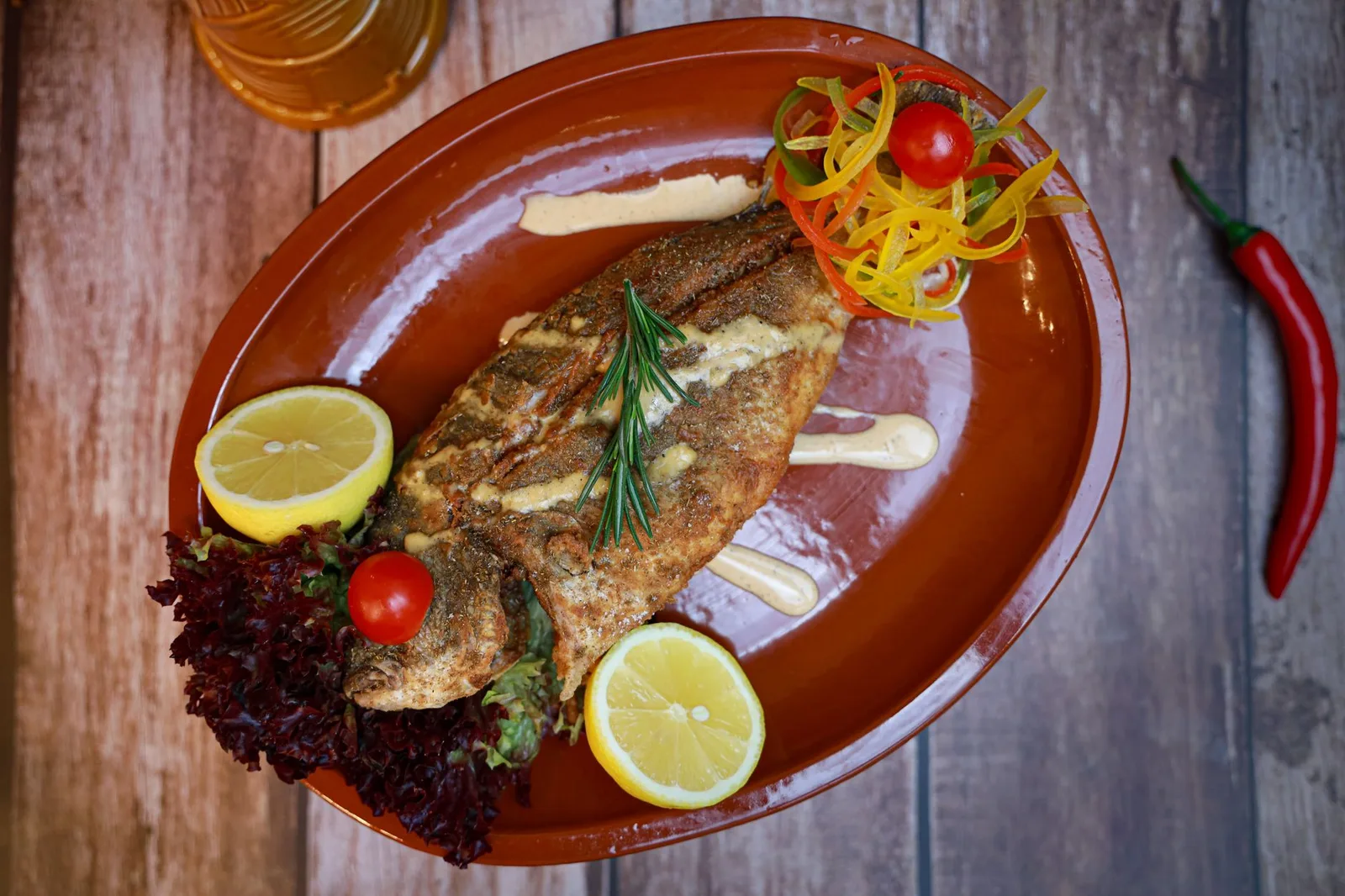
This classic Maryland crab stuffed flounder combines delicate, flaky flatfish with a rich, savory jumbo lump crab imperial filling. By mastering the 3:1 crab-to-binder ratio and baking at a precise temperature, you get restaurant-quality seafood on the table in just 40 minutes.
When it comes to Mid-Atlantic coastal cooking, few dishes carry the prestige of Maryland crab stuffed flounder. This elegant preparation elevates mild, sweet flounder fillets by rolling or layering them with a decadent, lightly bound crab mixture. The challenge most home cooks face isn't the flavor—it is managing the delicate structural balance so the fish cooks through perfectly without drying out before the dense crab center reaches a safe, hot temperature.
The secret lies in the stuffing ratio and the thickness of your fish fillets. Flounder is notoriously thin and cooks in a flash. If your crab stuffing is too wet, too dense, or piled too high, you will end up with overcooked, rubbery fish on the exterior and a lukewarm, soggy center. This recipe solves that dilemma by utilizing a pre-chilled, low-binder crab imperial filling that bakes efficiently alongside the fish, ensuring both elements reach their culinary peak simultaneously.
By understanding how to select the right cut of flounder, prepare a true Maryland-style crab filling with minimal filler, and apply a targeted baking technique, you can replicate this coastal tavern favorite in your own home kitchen with complete confidence.
Contents
- Key Takeaways
- Recipe Card
- Understanding the Anatomy of Flounder and Crab
- The Science of the Stuffing Ratio and Binder
- Crucial Baking Times and Temperature Cues
- Common Mistakes to Avoid
- Substitutions and Ingredient Variations
- How to Store and Reheat Leftovers
- What to Serve with Stuffed Flounder
- Frequently Asked Questions
Key Takeaways
- Total Time: 40 minutes (15 mins prep, 25 mins cook)
- Difficulty: Medium (requires gentle handling when rolling the fish)
- Best Stuffing Ratio: 3 parts crab meat to 1 part binder by weight
- Target Internal Temp: 145°F (63°C) for both fish and stuffing
- Key Pairing: Roasted asparagus and a crisp, high-acid dry white wine
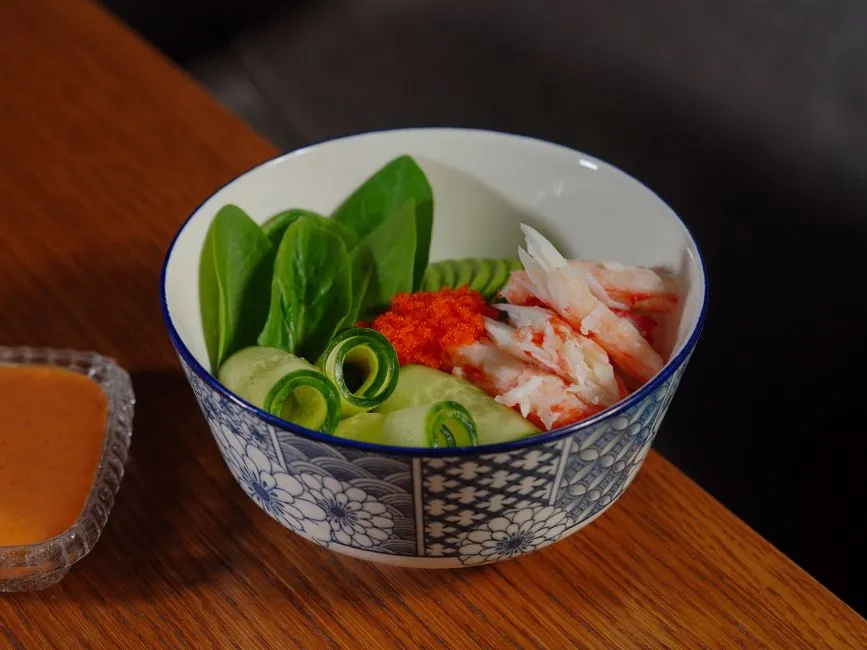
Recipe Card
Ingredients
- 4 large flounder fillets (about 6 ounces each, skinless)
- 1/2 lb jumbo lump crab meat (drained and picked for shells)
- 3 tablespoons mayonnaise (preferably Blue Plate or Duke's)
- 1 large egg yolk
- 1 teaspoon Worcestershire sauce
- 1 teaspoon Old Bay seasoning
- 1 teaspoon fresh lemon juice
- 2 tablespoons crushed saltine crackers (about 4 crackers)
- 1 tablespoon fresh flat-leaf parsley, finely chopped
- 2 tablespoons unsalted butter, melted
- 1/2 teaspoon sweet paprika (for dusting)
- Lemon wedges (for serving)
Instructions
- Preheat your oven to 375°F (190°C). Lightly grease a 9x13-inch ceramic or glass baking dish with cooking spray or a thin coat of olive oil.
- In a medium mixing bowl, whisk together the mayonnaise, egg yolk, Worcestershire sauce, Old Bay seasoning, and fresh lemon juice until smooth and emulsified.
- Add the crushed saltine crackers and chopped parsley to the wet mixture, stirring to distribute them evenly.
- Gently fold in the jumbo lump crab meat. Use a rubber spatula and extreme care to avoid breaking up the large lumps of crab. The goal is to coat the crab without turning it into a paste. Place this mixture in the refrigerator for 10 minutes to firm up.
- Pat the flounder fillets dry on both sides with paper towels. Season both sides very lightly with a pinch of salt and black pepper (remember that the crab stuffing contains Old Bay, which is already salty).
- Lay the fillets flat on a clean work surface, skin-side up (the side where the skin was removed, which is rougher and has a visible red/grey lateral line). This ensures the smooth side of the fish faces outward when rolled.
- Divide the chilled crab stuffing into four equal portions (approximately 2.5 ounces or 1/3 cup each). Place one portion of stuffing onto the wider end of each flounder fillet.
- Gently roll the tail end of the fish over the crab stuffing, overlapping slightly to secure it. Alternatively, if your fillets are too short or thin to roll, lay two fillets flat in the baking dish, top them with the crab stuffing, and drape the remaining two fillets over the top.
- Place the stuffed fillets seam-side down in the prepared baking dish, spacing them at least one inch apart to allow hot air to circulate.
- Drizzle the melted unsalted butter evenly over the top of each stuffed fillet, then dust lightly with sweet paprika for color.
- Bake uncovered at 375°F (190°C) for 20 to 25 minutes. The fish is done when it is opaque throughout and flakes easily with a fork, and the crab stuffing register an internal temperature of 145°F (63°C) on an instant-read digital thermometer.
- Remove from the oven, spoon any pan juices back over the fish, and serve immediately with fresh lemon wedges.
Understanding the Anatomy of Flounder and Crab
Selecting the Best Flounder Fillets
Flounder is a generic culinary term that encompasses several species of flatfish, including summer flounder (fluke), winter flounder, and yellowtail flounder. When shopping for this recipe, look for skinless fillets that are uniform in thickness. Thicker fillets (at least 1/2-inch thick at the widest part) are much easier to stuff and roll without tearing. If flounder is unavailable, petrale sole, grey sole, or even thin fillets of Pacific cod can serve as excellent structural substitutes.
Freshness is paramount. The fish should smell like clean ocean water, never fishy or ammonia-like. The flesh should be translucent and firm to the touch, not chalky, soft, or sitting in a pool of milky liquid. If using frozen flounder, thaw it slowly overnight in the refrigerator on a paper-top plate to absorb excess moisture. Excess water is the enemy of a flaky bake; it will steam the fish instead of roasting it, leading to a mushy texture.
Choosing Your Crab Meat
For a true Maryland-style stuffing, jumbo lump crab meat is the gold standard. These are the large chunks of meat from the swimming muscles of the blue crab. They offer a sweet, clean flavor and a beautiful visual presentation. However, because jumbo lump is expensive, you can successfully use "backfin" or "lump" grade crab meat, which consists of smaller flakes mixed with some larger lumps.
Avoid "claw meat" for this specific recipe if possible; while highly flavorful, claw meat has a darker color and a much stronger, iron-rich flavor that can easily overpower the delicate, sweet profile of the flounder. Under no circumstances should you use imitation crab (surimi), as its starch-based structure will not bind correctly with the imperial sauce and will yield a rubbery, overly sweet result.
The Science of the Stuffing Ratio and Binder
The most common failure point in making Maryland crab stuffed flounder is an incorrect ratio of crab to binder. Many commercial recipes pack the stuffing with breadcrumbs, flour, or heavy mayonnaise to stretch the expensive crab meat. This results in a heavy, paste-like stuffing that masks the clean flavor of the seafood and bakes into a dense, chewy ball.
To prevent this, we utilize a traditional Maryland "Imperial" binder. This uses egg yolk and a very small amount of high-quality mayonnaise to emulsify and hold the crab together, alongside crushed saltine crackers rather than fine breadcrumbs. Saltines are ideal because they swell and absorb moisture without becoming gummy, preserving the airy pockets between the lumps of crab. The ideal weight ratio is 3 parts crab meat to 1 part liquid binder and cracker crumb. This ensures that when you bite into the stuffed fish, the stuffing flakes apart effortlessly alongside the flounder.
| Binder Base | Texture Result | Flavor Profile | Best Use Case |
|---|---|---|---|
| Mayonnaise & Egg Yolk (Imperial) | Rich, airy, moist, holds shape well | Classic savory, buttery, subtle tang | Traditional Maryland Stuffed Flounder |
| Heavy Breadcrumbs & Butter | Dense, dry, firm, cake-like | Toasty, yeasty, can mask crab flavor | Budget-friendly stuffing for thicker fish |
| Cream Cheese & Parmesan | Gooey, heavy, melts quickly | Rich, salty, highly dominant flavor | Appetizer dips or stuffed mushrooms |
Crucial Baking Times and Temperature Cues
Because flounder fillets are thin and delicate, they cook rapidly. However, the crab stuffing inside is dense and cold from the refrigerator. If you bake the dish at too high of a temperature (such as 425°F), the outer flounder will overcook, dry out, and curl away before the crab center reaches the safe consumption temperature of 145°F, as recommended by the USDA Food Safety and Inspection Service.
Baking at 375°F (190°C) provides the perfect thermal gradient. It allows heat to penetrate to the core of the crab stuffing at a moderate pace while keeping the exterior flounder moist and tender. Keep a close eye on these specific visual and physical cues to determine doneness:
- The Flaking Test: Gently press a fork into the thickest part of the flounder fillet. The flesh should transition from translucent to a solid, milky white and separate easily along its natural muscle fibers.
- The Color: The edges of the flounder will begin to curl slightly, and the juices in the bottom of the baking dish will run clear, not cloudy. The top of the stuffing should have a light golden hue from the melted butter and paprika.
- The Thermometer: Insert an instant-read digital thermometer directly into the center of the crab stuffing. It must read 145°F (63°C). If the fish is flaking but the center is only at 130°F, tent the dish loosely with aluminum foil and bake for an additional 3 to 5 minutes to protect the fish from direct heat while the center catches up.
Save it to Pinterest so you can find it again next time you're planning dinner — and follow along for a new easy recipe a few times a week.
Common Mistakes to Avoid
- Using too much filler: Adding too many breadcrumbs or crackers turns your luxurious crab stuffing into a dense, bready paste. Stick strictly to the 2 tablespoons of crushed saltines for a half-pound of crab.
- Forgetting to pick the crab: Even high-end pasteurized jumbo lump crab can contain small, sharp pieces of cartilage or shell. Always spread the crab meat out on a baking sheet and gently run your fingers through it to locate and remove these fragments before mixing.
- Rolling the fish too tightly: Fish expands slightly as its proteins cook and contract. If you wrap the flounder too tightly around the stuffing, it will split open during baking, causing the stuffing to spill out into the pan. Roll it snugly but gently.
- Over-mixing the stuffing: Stirring the crab meat aggressively breaks down the beautiful, expensive jumbo lumps into tiny shreds. Fold the crab into the wet binder using a slow, sweeping motion with a flexible spatula.
- Baking straight from the freezer: If your fish or crab was frozen, ensure it is completely thawed and brought closer to room temperature for 10-15 minutes before baking. Putting ice-cold fish into a hot oven guarantees uneven cooking.
Substitutions and Ingredient Variations
Alternative Seafood Options
If you cannot source fresh flounder, several other fish varieties work beautifully with this stuffing technique. Sole (such as Dover or Lemon sole) is the closest equivalent in terms of sweetness and thinness. For a slightly sturdier option, trout fillets can be stuffed and rolled. If you have thick fillets of cod, haddock, or grouper, you cannot easily roll them; instead, use a sharp paring knife to cut a horizontal pocket into the side of the fillet and pack the crab stuffing directly into the pocket.
Binder and Seasoning Swaps
For those with specific dietary needs or flavor preferences, the stuffing can be easily adapted:
- Gluten-Free: Replace the saltine crackers with an equal amount of crushed gluten-free crackers or ground pork rinds for a low-carb, keto-friendly alternative.
- Mayonnaise Alternative: If you dislike mayonnaise, you can substitute it with Greek yogurt or sour cream. Note that this will yield a slightly tangier stuffing with a less traditional, lighter mouthfeel.
- Seasoning: If Old Bay is unavailable, a blend of celery salt, black pepper, red pepper flakes, and a pinch of ground mace will replicate that classic Mid-Atlantic flavor profile.
How to Store and Reheat Leftovers
Seafood is always best enjoyed fresh out of the oven, but if you have leftover stuffed flounder, it can be safely stored and reheated with proper care. Place the cooled leftovers in an airtight glass container and store them in the refrigerator for up to 2 days.
To reheat without drying out the delicate flounder, avoid the microwave, which will turn the fish rubbery and make the crab stuffing tough. Instead, place the stuffed flounder in a shallow baking dish, add 2 tablespoons of water or seafood stock to the bottom of the dish to create steam, and cover the dish tightly with aluminum foil. Warm in a preheated oven at 325°F (163°C) for 12 to 15 minutes, or until the center of the stuffing is hot.
What to Serve with Stuffed Flounder
Because Maryland crab stuffed flounder is rich, buttery, and savory, it pairs best with side dishes that offer a bright, acidic, or crisp contrast. Avoid heavy, starch-laden sides like mashed potatoes or creamed corn, which can make the meal feel overly heavy.
- Vegetables: Roasted asparagus with a squeeze of fresh lemon juice, steamed green beans with toasted almonds, or a simple shaved fennel and arugula salad dressed with a light champagne vinaigrette.
- Starches: A wild rice pilaf cooked in vegetable stock, or roasted baby red potatoes tossed with fresh dill and sea salt.
- Beverages: A crisp, dry white wine with high acidity works best to cut through the richness of the crab imperial. Look for a Sauvignon Blanc, an unoaked Chardonnay, or a dry Pinot Grigio. For beer lovers, a light, citrusy Belgian Witbier or a classic dry pilsner complements the seafood beautifully.
Frequently Asked Questions
Can I make this recipe ahead of time?
Yes, you can prepare the crab stuffing up to 24 hours in advance and store it in an airtight container in the refrigerator. You can also assemble and roll the stuffed flounder up to 4 hours before baking. Keep the assembled dish covered with plastic wrap in the refrigerator, and add 3 to 5 minutes to the total baking time since the dish will be cold when it enters the oven.
Why did my flounder release so much water while baking?
This is usually caused by using frozen flounder fillets that were not properly drained, or fish that has been treated with sodium tripolyphosphate (a preservative that causes fish to absorb excess water). Always pat your fillets thoroughly dry with paper towels before stuffing, and try to purchase wild-caught, untreated fresh fish whenever possible.
Can I freeze cooked crab stuffed flounder?
Freezing is not recommended for this dish once it has been cooked. The delicate cellular structure of both the flounder and the crab meat will break down during the freezing and thawing process, resulting in a mushy, watery texture and a loss of sweet seafood flavor upon reheating.
My fish fillets are very small. How should I stuff them?
If your flounder fillets are too small or narrow to roll, do not force them. Instead, lay half of the fillets flat in the bottom of your greased baking dish. Divide the crab stuffing into portions and spread it evenly over the flat fillets. Lay the remaining fillets directly on top of the stuffing, creating a "seafood sandwich." Bake as directed, adjusting the time down by 2-3 minutes if the fish layers are exceptionally thin.
Is it necessary to use egg yolk in the stuffing?
The egg yolk acts as a crucial binder and emulsifier for the crab imperial mixture. It helps hold the mayonnaise and juices together, creating a soufflé-like puffiness as it bakes. If you must omit the egg due to an allergy, you can use an extra tablespoon of mayonnaise, though the stuffing will be slightly looser and wetter.
Can I use this crab stuffing for other types of seafood?
Absolutely. This Maryland crab imperial stuffing is incredibly versatile. You can use it to stuff jumbo shrimp (butterflied), sea scallops, lobster tails, or even portobello mushroom caps for a decadent land-and-sea appetizer.
With its delicate balance of sweet, flaky flounder and rich, savory jumbo lump crab, this classic Maryland dish is a true testament to the beauty of coastal cooking. By paying close attention to the stuffing-to-binder ratio and maintaining a gentle baking temperature, you can easily master this impressive seafood dinner on any weeknight.

Founder of Simple Skillet
Aycan tests every recipe on Simple Skillet at home before it's published — real ingredients, real timing, no filler.