Hibachi Steak and Chicken at Home Recipe
This copycat recipe delivers the signature garlic-butter sizzle of a Japanese steakhouse right in your own kitchen. By using a screaming-hot cast-iron skillet, you can achieve a perfect sear on both tender sirloin and juicy chicken thighs in just 40 minutes. Served alongside quick fried rice and a creamy, tangy yum yum sauce, it is the ultimate weekend-worthy dinner made simple for busy weeknights.
There is something undeniably captivating about the Japanese steakhouse experience: the dramatic hiss of the flat-top grill, the aroma of toasted sesame oil, and that rich, savory garlic butter that coats every single bite. While we might not be tossing shrimp into our pockets or building onion volcanoes on our stovetops, we can absolutely replicate those iconic, deep-savory flavors at home. The secret does not lie in specialized commercial equipment, but rather in high-heat cooking techniques and a few key pantry staples.
To pull off the ultimate hibachi steak and chicken at home, you need to focus on two elements: maximizing surface contact for a deep brown crust (Maillard reaction) and timing your proteins so nothing becomes tough or dry. We use a combination of high-smoke-point oil for the initial sear and finish with a rich, soy-and-garlic-infused butter at the very end to prevent burning. This method ensures your steak remains tender and medium-rare while your chicken develops a beautifully caramelized exterior.
This recipe is designed to be highly efficient. While your skillet heats up, you can whip together the signature yum yum sauce to let the flavors marry, then cook the proteins and vegetables in rapid succession. It is a complete, restaurant-quality meal that comes together faster than waiting for a table at your local teppanyaki restaurant.
Contents
Key Takeaways
- Total Time: 40 minutes (15 mins prep, 25 mins cook)
- Difficulty Level: Easy (requires quick, high-heat stirring)
- Best Cooking Vessel: Large cast-iron skillet or flat-top griddle
- Key Flavor Profile: Savory garlic butter, toasted sesame, and sweet-tangy soy glaze
- Storage Life: Up to 3 days in an airtight container (keep sauce separate)
Recipe Card
Ingredients
- 1.0 lb sirloin steak (or New York strip), cut into 1-inch cubes
- 1.0 lb boneless, skinless chicken thighs, cut into 1-inch pieces
- 4.0 tablespoons unsalted butter, softened and divided
- 3.0 tablespoons low-sodium soy sauce, divided
- 2.0 tablespoons mirin (Japanese sweet rice wine), divided
- 4.0 cloves garlic, finely minced and divided
- 2.0 tablespoons vegetable oil (or canola oil), divided
- 1.0 small zucchini, sliced into half-moons
- 1.0 cup button mushrooms, quartered
- 1.0 small sweet onion, cut into 1-inch wedges
- 1.0 tablespoon toasted sesame seeds
- 0.5 cup mayonnaise (for the Yum Yum Sauce)
- 1.0 tablespoon tomato paste (for the Yum Yum Sauce)
- 1.0 teaspoon melted butter (for the Yum Yum Sauce)
- 0.5 teaspoon garlic powder (for the Yum Yum Sauce)
- 0.5 teaspoon smoked paprika (for the Yum Yum Sauce)
- 1.0 tablespoon honey or maple syrup (for the Yum Yum Sauce)
- 2.0 tablespoons warm water (to thin the sauce)
Instructions
- Prepare the Yum Yum Sauce: In a small bowl, whisk together the mayonnaise, tomato paste, 1 teaspoon of melted butter, garlic powder, smoked paprika, and honey. Whisk in warm water one tablespoon at a time until the sauce reaches a drizzling consistency. Cover and refrigerate until serving.
- Prep the Garlic Butter: In a small bowl, mash 3 tablespoons of the softened butter with 3 cloves of minced garlic and 1 tablespoon of soy sauce until a smooth paste forms. Set aside.
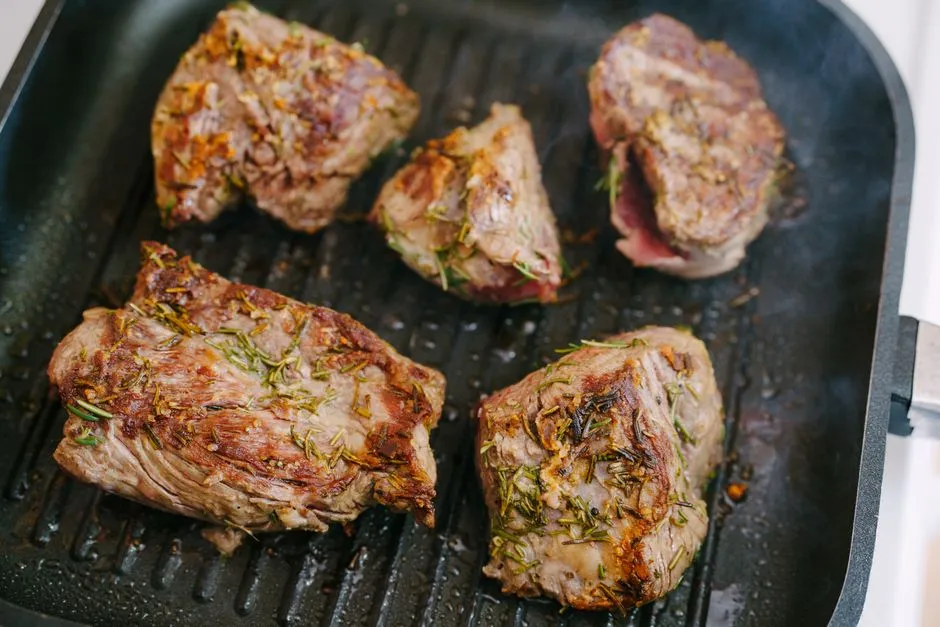
- Sear the Chicken: Heat 1 tablespoon of vegetable oil in a large, heavy-cast iron skillet over high heat until shimmering. Add the cubed chicken thighs in a single layer. Let cook undisturbed for 3 minutes to develop a deep golden crust. Stir and cook for another 3 minutes. Add 1 tablespoon of the prepared garlic butter and 1 tablespoon of mirin. Toss to coat for 1 minute until the chicken is fully cooked through (internal temperature of 165°F). Remove chicken and its juices to a clean bowl and tent with foil.
- Sear the Steak: Wipe the skillet clean with a paper towel. Add another tablespoon of vegetable oil and return to high heat. Pat the cubed steak dry with a paper towel to ensure a good sear. Add the steak to the smoking-hot skillet in a single layer. Sear for 1.5 to 2 minutes without moving, then flip. Add 1 tablespoon of the garlic butter and 1 tablespoon of soy sauce. Toss quickly for 1 more minute for a medium-rare finish. Transfer immediately to a separate bowl to prevent overcooking.
- Sauté the Vegetables: Add the remaining 1 tablespoon of plain butter to the hot skillet. Toss in the onion wedges, zucchini slices, and quartered mushrooms. Cook over medium-high heat for 4 to 5 minutes, stirring frequently, until the vegetables are tender-crisp and charred around the edges. Add the remaining minced garlic, 1 tablespoon of soy sauce, and 1 tablespoon of mirin. Stir-fry for 1 minute.
- Assemble and Serve: Return the chicken, steak, and accumulated juices back to the skillet with the vegetables just to warm through (about 30 seconds). Sprinkle with toasted sesame seeds and serve immediately alongside fried rice and the chilled yum yum sauce.
Save it to Pinterest so you can find it again next time you're planning dinner — and follow along for a new easy recipe a few times a week.
The Essential Elements of Steakhouse Hibachi
To successfully replicate the taste of a Japanese steakhouse at home, you must understand the interplay of high heat, fat, and umami. True teppanyaki chefs cook on massive, thick steel griddles that maintain consistent high temperatures even when loaded with cold meat. In a home kitchen, the best tool to mimic this environment is a large, well-seasoned cast-iron skillet or a carbon steel pan. These pans hold heat exceptionally well, preventing the meat from steaming in its own juices.
The second secret is the compound garlic butter. Hibachi cooking relies heavily on a continuous splash of soy sauce, sake or mirin, and melted garlic butter. By prepping a quick compound butter beforehand, you can instantly emulsify these liquids into a glossy, rich pan sauce that clings to the steak and chicken without turning watery.
Choosing the Right Cuts of Meat
For the beef, look for cuts with moderate marbling and minimal gristle. Sirloin is the traditional steakhouse choice because it is lean yet tender when cooked quickly. However, New York strip or ribeye are fantastic upgrades if you prefer a richer, melt-in-your-mouth texture. Avoid tough cuts like chuck or round steak, which require slow braising to become tender.
For the poultry, boneless, skinless chicken thighs are vastly superior to chicken breasts for hibachi. Thigh meat contains more fat, meaning it stays incredibly juicy and flavorful even under the intense heat of the skillet. If you must use chicken breast, slice it slightly thicker and reduce the cooking time by a minute or two to prevent it from drying out.
Vegetable and Oil Selection for High-Heat Searing
Because hibachi cooking requires extremely hot pans, choosing the right cooking oil is critical. Avoid extra virgin olive oil or unrefined butter for the initial sear; their smoke points are too low, and they will burn, creating a bitter taste and filling your kitchen with smoke. Instead, opt for oils with high smoke points like vegetable, canola, grapeseed, or peanut oil.
The vegetable medley is another signature component. The classic combination includes sweet onions, zucchini, and white button mushrooms. To get that authentic steakhouse texture, cut the vegetables into thick, uniform pieces. You want them to sear quickly on the outside while retaining a crisp, snappy bite on the inside. Overcrowding the pan is the enemy here; if your skillet is small, cook the vegetables in two separate batches so they fry instead of steam.
How to Achieve the Perfect Sear
| Protein / Veg | Target Skillet Temp | Cook Time | Desired Texture Result |
|---|---|---|---|
| Sirloin Steak | Screaming Hot (450°F+) | 3-4 minutes total | Deep brown crust, medium-rare center |
| Chicken Thighs | High (400°F) | 6-7 minutes total | Golden exterior, juicy and tender |
| Hibachi Vegetables | Medium-High (375°F) | 4-5 minutes total | Charred edges, tender-crisp interior |
Easy Substitutions and Recipe Variations
One of the best things about making hibachi steak and chicken at home is how easily you can customize the ingredients based on what you have in your fridge.
- Gluten-Free Version: Replace the standard soy sauce with tamari or coconut aminos. Ensure your mirin is certified gluten-free.
- Seafood Upgrade: Add peeled, deveined shrimp to the mix. Shrimp cook incredibly fast—usually only 1 to 2 minutes per side. Toss them in with a dab of garlic butter and a squeeze of fresh lemon juice at the very end.
- Low-Carb Option: Skip the traditional fried rice and serve this protein-packed stir fry over a bed of riced cauliflower or extra sautéed cabbage.
- Spicy Hibachi: Stir a tablespoon of sriracha or chili garlic sauce into your garlic butter mixture before tossing it with the meat.
Common Mistakes to Avoid
Even simple recipes can go awry if you rush the process. Keep these critical tips in mind to ensure your hibachi matches the quality of your favorite restaurant:
- Crowding the Pan: If you dump all the chicken, steak, and vegetables into the skillet at the same time, the temperature of the pan will drop instantly. The ingredients will release moisture and boil rather than sear, leaving you with gray, rubbery meat. Always cook in dedicated batches.
- Using Cold Meat: Pull your steak and chicken out of the refrigerator about 15 to 20 minutes before cooking. Cold meat chills the pan instantly and cooks unevenly.
- Adding Garlic Too Early: Garlic burns quickly and becomes extremely bitter. Always add your minced garlic or garlic butter during the final minute of cooking each batch to preserve its sweet, aromatic flavor.
- Skipping the Rest Period: Let your cooked steak rest for a few minutes before serving. This allows the juices to redistribute throughout the meat instead of spilling out onto your plate.
Storage, Reheating, and Meal Prep Tips
This hibachi steak and chicken at home recipe makes incredible leftovers, making it a stellar option for weekly meal prep. Store the cooked steak, chicken, vegetables, and rice in airtight glass containers for up to 3 days in the refrigerator. Always store the yum yum sauce in a separate container; because it is mayonnaise-based, it should never be heated.
When reheating, avoid the microwave if possible, as it can easily overcook the steak and make it chewy. Instead, heat a splash of oil in a skillet over medium heat, add your leftovers, and toss quickly for 2 to 3 minutes until warmed through. If using a microwave, heat at 60% power in 30-second intervals to gently warm the meat without drying it out.
Frequently Asked Questions
Can I make this recipe on an outdoor griddle?
Absolutely! An outdoor flat-top griddle (like a Blackstone) is the absolute best way to make this recipe. It allows you to cook the chicken, steak, and vegetables all at the same time in separate zones, cutting your active cooking time in half. Simply set one side to high heat for the steak and the other to medium-high for the chicken and veggies.
What is the difference between hibachi and teriyaki?
While both are popular Japanese cooking styles, they feature very different flavor profiles. Teriyaki relies on a sweet, thick glaze made from soy sauce, mirin, brown sugar, and ginger. Hibachi focuses on savory, simple seasonings like soy sauce, garlic, butter, and sesame oil, resulting in a lighter, more savory finish without the heavy sweetness.
How do I make my hibachi chicken extra tender?
Using boneless chicken thighs is the best way to guarantee tender results. However, if you choose to use chicken breast, you can use a Chinese restaurant technique called "velveting." Toss your raw, cubed chicken breast with 1 teaspoon of cornstarch and 1 tablespoon of soy sauce, and let it sit for 10 minutes before searing. The cornstarch creates a protective barrier that keeps the meat incredibly moist.
Can I freeze the cooked hibachi steak and chicken?
Yes, you can freeze the cooked meats and vegetables for up to 2 months in freezer-safe bags. However, be aware that the zucchini and mushrooms will lose some of their crisp texture upon thawing and reheating. Do not freeze the yum yum sauce, as the emulsion will break, leaving you with an oily mess.
What is yum yum sauce made of?
Traditional Japanese steakhouse yum yum sauce is a mayonnaise-based condiment sweetened with sugar or honey and seasoned with tomato paste, garlic powder, smoked paprika, and a touch of melted butter. It is creamy, slightly sweet, and has a mild smoky undertone that pairs beautifully with charred meats.
How do I make quick hibachi fried rice to go with this?
To make quick fried rice, use cold, day-old cooked jasmine rice. Heat a tablespoon of butter and sesame oil in your skillet, sauté some finely diced carrots and peas, then push them to the side and scramble an egg. Toss in the cold rice, a splash of soy sauce, a pinch of garlic powder, and a tablespoon of butter. Stir-fry over high heat for 3 to 4 minutes until toasted and piping hot.
Recreating the classic steakhouse experience does not require years of training or expensive griddles. With a hot cast-iron pan, some rich garlic butter, and a bottle of high-quality soy sauce, you can whip up an incredible hibachi steak and chicken at home that rival your favorite local restaurant. Gather your ingredients, prep your pans, and enjoy a fun, interactive weeknight dinner that the whole family will love.

Founder of Simple Skillet
Aycan tests every recipe on Simple Skillet at home before it's published — real ingredients, real timing, no filler.