Lasagna Without Ricotta or Cottage Cheese
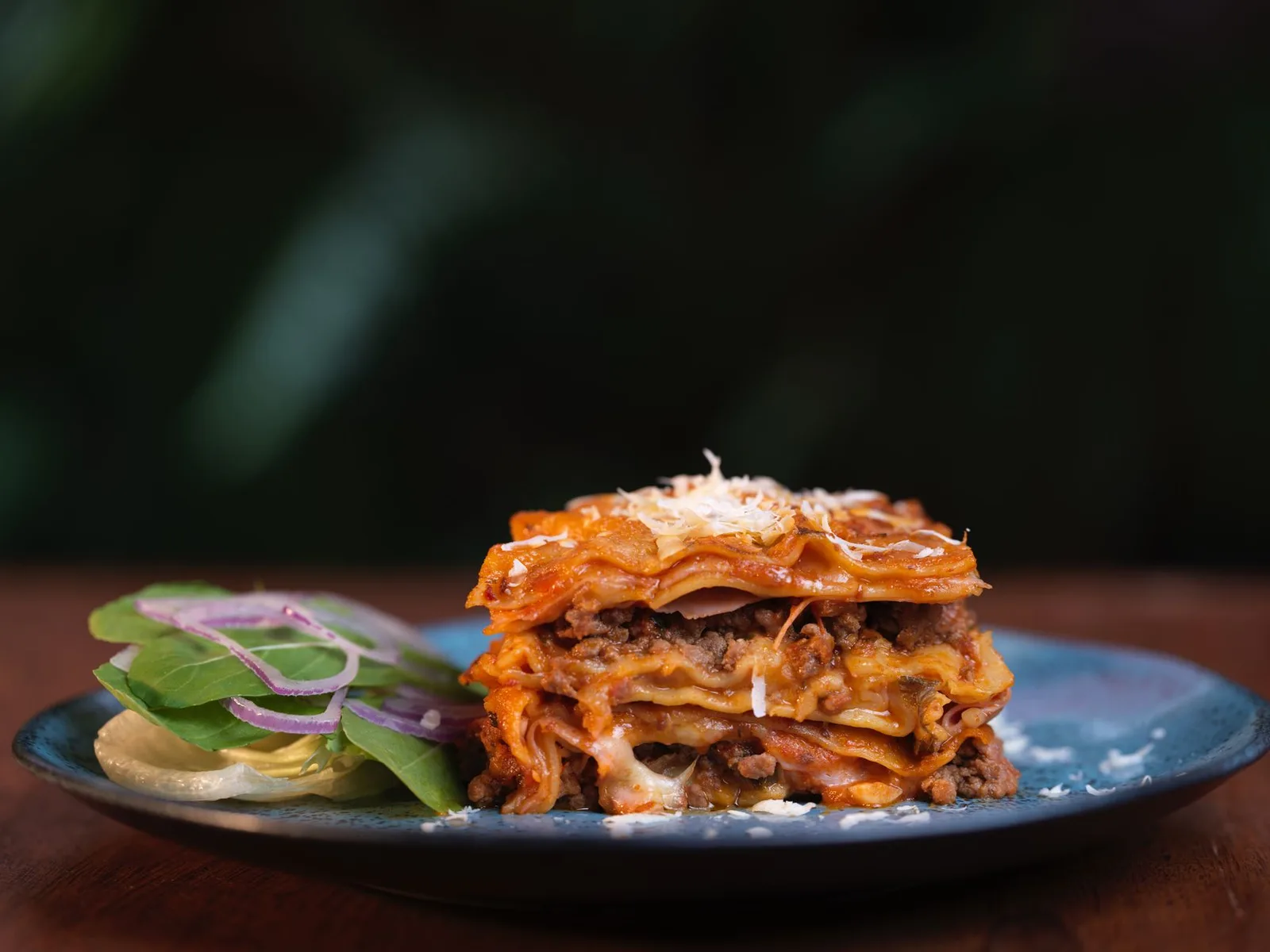
This authentic Italian-style lasagna replaces the gritty texture of ricotta or cottage cheese with a silky, homemade white bechamel sauce. Layered with a deeply savory beef bolognese and melted mozzarella, this comforting classic takes about 2 hours from start to finish and delivers restaurant-quality results every single time.
Many home cooks in North America grew up eating lasagna loaded with ricotta or cottage cheese. While that version is popular, it often suffers from a grainy, watery texture that can cause the layers to slide apart on the plate. In contrast, the traditional method favored in Northern Italy relies on a velvety white sauce called bechamel (besciamella). This classic French and Italian mother sauce binds the pasta sheets together, ensuring every bite is rich, creamy, and structurally sound.
Making a lasagna without ricotta or cottage cheese is not a compromise; it is an upgrade. By cooking a quick butter-and-flour roux and whisking in warm milk, you create a smooth cream sauce that behaves beautifully under heat. It does not curdle, it does not weep water into your pasta, and it melts seamlessly into the meat sauce as the casserole bakes. If you have ever struggled with a soggy, messy lasagna, this approach is the solution you have been looking for.
This recipe is designed for busy weeknights but delivers Sunday-dinner flavor. We use a combination of ground beef, high-quality marinara sauce, dried herbs, and a simple three-ingredient white sauce. Because we use oven-ready (no-boil) lasagna noodles, you can skip the step of boiling large pots of water, saving you time and cleanup. Let's look at the key details before we get cooking.
Contents
- Key Takeaways
- Recipe Card
- Why this Recipe Works: The Science of Bechamel
- Ingredient Notes and Substitutions
- A Comparison of Lasagna Fillings
- Step-by-Step Assembly Guide
- Common Mistakes to Avoid
- Make-Ahead and Freezer Instructions
- Storage and Reheating Instructions
- Serving Suggestions
- Frequently Asked Questions
Key Takeaways
- Total Time: 1 hour and 45 minutes (30 mins active prep, 45 mins baking, 30 mins resting)
- Difficulty Level: Medium (requires basic sauce-whisking skills)
- Storage Life: Keeps beautifully in the refrigerator for up to 4 days, or freeze for up to 3 months
- Critical Step: Let the baked lasagna rest for at least 25 to 30 minutes before slicing to prevent the layers from collapsing
Recipe Card
Ingredients
- 1 lb (450g) lean ground beef (85/15 or 90/10 ratio)
- 1 medium yellow onion, finely diced
- 3 cloves garlic, minced
- 1 jar (24 oz / 680g) high-quality marinara or tomato basil sauce
- 1 tsp dried oregano
- 1 tsp dried basil
- 0.5 tsp salt (for the meat sauce)
- 0.25 tsp freshly cracked black pepper
- 4 tbsp (56g) unsalted butter
- 0.25 cup (30g) all-purpose flour
- 2.5 cups (600ml) whole milk, warmed slightly
- 0.25 tsp ground nutmeg
- 2.5 cups (250g) low-moisture shredded mozzarella cheese, divided
- 0.5 cup (50g) freshly grated Parmigiano-Reggiano cheese, divided
- 12 oven-ready (no-boil) lasagna sheets
Instructions
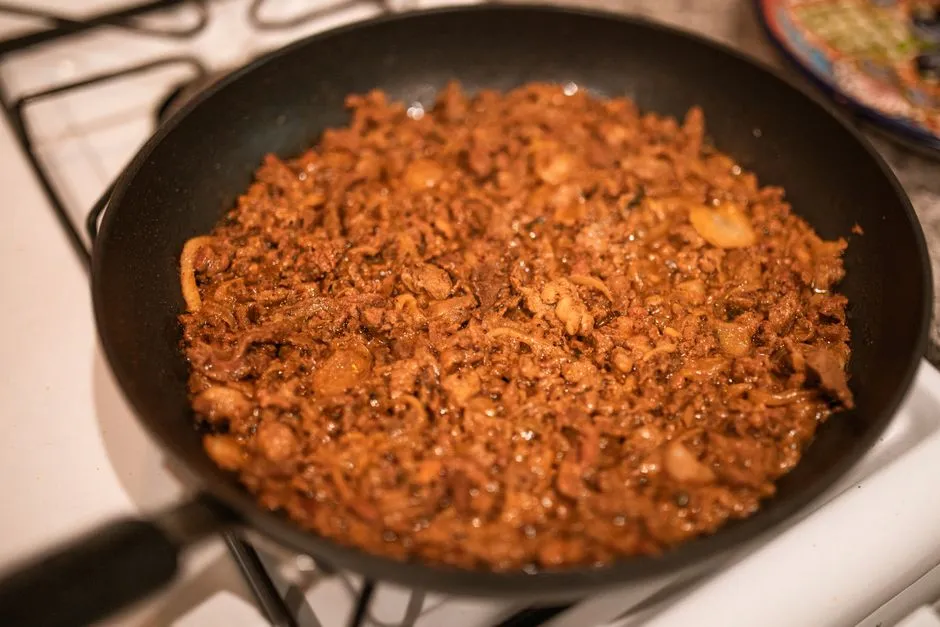
- Brown the meat: Heat a large skillet over medium-high heat. Add the ground beef and cook, breaking it up with a wooden spoon, for 5 to 6 minutes until no longer pink. Drain off any excess grease, leaving about 1 tablespoon in the pan.
- Aromatics & tomato sauce: Turn the heat down to medium. Stir in the diced onion and minced garlic. Cook for 4 minutes until the onions are translucent and soft. Pour in the marinara sauce, dried oregano, dried basil, salt, and black pepper. Bring to a gentle simmer, then reduce heat to low, cover, and let it cook for 15 minutes to develop the flavors.
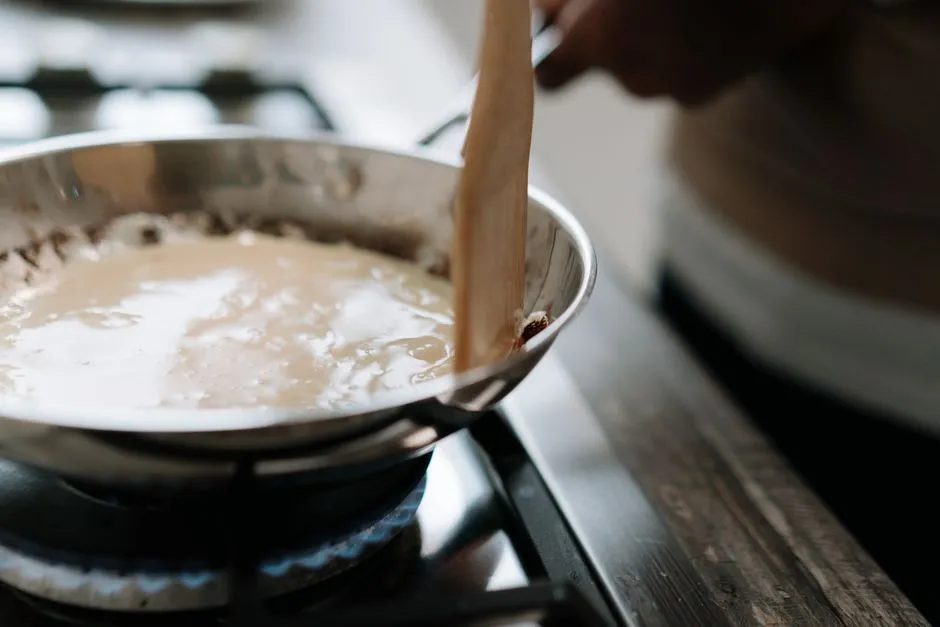
- Make the bechamel roux: While the meat sauce simmers, melt the unsalted butter in a medium saucepan over medium heat. Once bubbling, add the all-purpose flour. Whisk constantly for 2 minutes to cook out the raw flour taste; the mixture should look pale yellow and slightly foamy.
- Finish the white sauce: Slowly pour in the warm whole milk in a thin stream, whisking vigorously to prevent lumps from forming. Cook, stirring constantly with a wooden spoon or whisk, for 5 to 7 minutes until the sauce thickens enough to coat the back of a spoon. Remove from heat and stir in the ground nutmeg and 0.25 cup of grated Parmigiano-Reggiano. Season with a pinch of salt to taste.
- Preheat and prep: Position an oven rack in the center position and preheat your oven to 375°F (190°C). Lightly grease a 9x13-inch baking dish with cooking spray or a thin brush of olive oil.
- Layer 1 (The Base): Spread roughly 0.5 cup of the red meat sauce evenly across the bottom of the prepared baking dish. This prevents the bottom pasta sheets from sticking or drying out. Lay 3 to 4 oven-ready lasagna sheets side-by-side over the sauce (do not overlap them too much, as they expand while baking).
- Layer 2 (The Mid-Layers): Spread about 0.75 cup of the meat sauce over the pasta. Drizzle about 0.5 cup of the warm white bechamel sauce over the meat, then sprinkle with 0.5 cup of shredded mozzarella. Lay down another 3 to 4 pasta sheets. Repeat this layering process twice more (pasta, meat sauce, bechamel, mozzarella).
- Layer 3 (The Top): For the final top layer, place the last set of pasta sheets down. Pour the remaining bechamel sauce evenly over the top, covering the pasta completely to ensure no dry edges remain. Spread any remaining meat sauce over the top, then cover generously with the remaining mozzarella and the final 0.25 cup of Parmigiano-Reggiano.
- Bake covered: Spray a sheet of aluminum foil with cooking spray (to keep the cheese from sticking) and cover the baking dish tightly. Bake at 375°F (190°C) for 25 minutes.
- Bake uncovered & rest: Remove the foil and bake for an additional 15 to 20 minutes, until the cheese is melted, bubbling at the edges, and golden-brown on top. If desired, broil on high for 1 to 2 minutes for extra color. Remove from the oven and let the lasagna rest on a wire rack for 25 to 30 minutes before slicing and serving.
Why this Recipe Works: The Science of Bechamel
To understand why this recipe is so successful, it helps to look at how different dairy products behave under heat. Ricotta and cottage cheese are fresh, high-moisture acid-coagulated cheeses. When they are baked in a casserole alongside acidic tomato sauce, they tend to release water. This water pools at the bottom of your baking dish, turning your pasta mushy and causing the layers to slide apart when sliced.
A traditional bechamel, on the other hand, is a starch-stabilized emulsion. The flour in the roux coats the fat molecules from the butter and milk, binding the liquid together. As the lasagna bakes, the starch swells and absorbs excess steam and moisture from the meat sauce. The result is a cohesive, sliceable lasagna that holds its shape beautifully on the plate while offering a far more luxurious, buttery mouthfeel than grainy ricotta ever could.
Ingredient Notes and Substitutions
The Pasta Sheets
We highly recommend high-quality, oven-ready (no-boil) lasagna sheets for this recipe. Because they are thinner than traditional curly-edged noodles, they absorb the liquid from the sauces perfectly and mimic the delicate texture of fresh, homemade pasta. If you can only find standard lasagna noodles, you must boil them first. Cook them 2 minutes short of package directions (firm al dente), drain them, and lay them flat on oiled parchment paper so they do not stick together before assembly.
The Meat Options
While lean ground beef is the standard, you can easily customize the protein profile of this dish. A 50/50 mix of ground beef and sweet Italian sausage adds incredible depth of flavor. If you prefer a lighter profile, ground turkey or ground chicken work well, though you may want to add an extra tablespoon of olive oil to the pan when sautéing the onions to make up for the lower fat content of poultry.
The Cheese Selection
Low-moisture mozzarella is essential here. Avoid fresh mozzarella (the kind sold in water-filled tubs) because it contains too much water and will make your lasagna soggy. Always grate your cheese from a block if possible; pre-shredded bagged cheeses are coated in potato starch or cellulose to prevent clumping, which interferes with their ability to melt smoothly.
A Comparison of Lasagna Fillings
If you are still on the fence about skipping the ricotta, take a look at how different dairy layers perform in a baked pasta dish:
| Filling Option | Texture Profile | Moisture Release | Structural Stability | Best For |
|---|---|---|---|---|
| Bechamel (White Sauce) | Silky, velvety, rich | Very low (absorbs moisture) | Excellent (holds layers together) | Traditional Northern Italian style |
| Ricotta Cheese | Grainy, light, airy | High (often weeps water) | Moderate (can slide) | Southern Italian-American style |
| Cottage Cheese | Chunky, liquidy | Very high (requires draining) | Poor (often collapses) | Low-calorie/high-protein diets |
Save it to Pinterest so you can find it again next time you're planning dinner — and follow along for a new easy recipe a few times a week.
Step-by-Step Assembly Guide
The secret to a neat, professional-looking lasagna is systematic layering. By distributing your ingredients evenly, you ensure that every bite has the perfect ratio of pasta, meat, and cream sauce. Here is a quick reference guide to keep on hand while assembling your dish:
- Bottom Layer: A thin smear of meat sauce (prevents sticking).
- Layer 1: Pasta sheets, meat sauce, bechamel drizzle, mozzarella sprinkle.
- Layer 2: Pasta sheets, meat sauce, bechamel drizzle, mozzarella sprinkle.
- Layer 3: Pasta sheets, meat sauce, bechamel drizzle, mozzarella sprinkle.
- Top Layer: Pasta sheets, remaining bechamel (spread edge-to-edge), remaining meat sauce, remaining mozzarella, and grated Parmigiano-Reggiano.
By placing the final layer of bechamel directly over the top pasta sheets, you seal in the moisture. This ensures that the oven-ready pasta sheets cook through completely without becoming hard, dry, or leathery around the edges of the pan.
Common Mistakes to Avoid
- Using cold milk for the bechamel: Adding cold milk to a hot roux causes the butter to seize, resulting in a lumpy sauce. Always warm your milk slightly in the microwave or a separate saucepan before whisking it into your flour-and-butter mixture.
- Overlapping no-boil noodles too much: Oven-ready noodles expand as they absorb moisture during the baking process. If you overlap them by more than half an inch, they will not cook evenly, leaving you with hard, chewy patches in your lasagna.
- Not covering the top noodles entirely: Any part of an oven-ready noodle left exposed to the dry heat of the oven without sauce covering it will turn into a hard cracker. Be diligent about spreading your top layer of bechamel and meat sauce from edge to edge.
- Slicing the lasagna too soon: When you pull a lasagna straight from the oven, the cheese is melted and fluid, and the sauces are bubbling. If you cut into it immediately, the fillings will run out, leaving you with a messy pile on the plate. Resting the dish for 25 to 30 minutes allows the starches and proteins to firm up, yielding clean, beautiful slices.
Make-Ahead and Freezer Instructions
This lasagna without ricotta or cottage cheese is an exceptional candidate for meal prep because the bechamel sauce freezes and thaws much better than grainy ricotta does. You can assemble the entire dish up to 24 hours in advance. Simply wrap the unbaked assembled lasagna tightly in plastic wrap and store it in the refrigerator. When you are ready to bake, remove the plastic wrap, cover with greased foil, and bake at 375°F (190°C). You may need to add 5 to 10 minutes to the covered baking time to account for the cold dish.
To freeze the lasagna unbaked, assemble it in a freezer-safe disposable aluminum pan. Wrap it tightly in two layers of plastic wrap, followed by a layer of heavy-duty aluminum foil. Label the top with the date; it will keep perfectly for up to 3 months. For safety guidelines on handling and storing cooked meats, you can consult the USDA Food Safety and Inspection Service. To bake from frozen, thaw the lasagna in the refrigerator overnight, then bake as directed in the recipe card.
Storage and Reheating Instructions
If you have leftover lasagna, store it in an airtight container in the refrigerator for up to 4 days. Because this recipe uses a stable starch-bound bechamel sauce instead of watery cottage cheese, the leftovers actually taste better the next day as the flavors continue to meld and mature.
To reheat individual portions, place a slice on a microwave-safe plate, splash a teaspoon of water over the top to keep it moist, cover with a microwave-safe lid or damp paper towel, and heat on medium power for 2 to 3 minutes. To reheat a larger portion, place it in an oven-safe dish, cover with foil, and bake at 350°F (175°C) for 15 to 20 minutes until heated through to the center.
Serving Suggestions
Because this lasagna is rich, creamy, and satisfying, it pairs best with bright, acidic side dishes that cut through the richness of the beef and butter-based white sauce. A simple green salad dressed with a sharp red wine vinaigrette is the perfect accompaniment. Steamed or roasted green vegetables, such as garlic-herb broccolini or roasted asparagus with lemon juice, also balance the meal beautifully.
If you want to lean into a classic Italian-American dinner experience, serve the lasagna alongside warm garlic bread or crusty rosemary focaccia. The bread is perfect for scooping up any remaining meat sauce and velvety bechamel left on the plate.
Frequently Asked Questions
Can I make this recipe dairy-free?
Yes, though it requires a few modifications. To make a dairy-free bechamel, replace the unsalted butter with an equal amount of olive oil or vegan butter block. Replace the whole milk with an unsweetened, neutral-flavored plant milk, such as oat milk or soy milk. Finally, use your favorite dairy-free mozzarella and parmesan alternatives for layering and topping the dish.
Why is my bechamel sauce lumpy?
Lumps occur when the milk is added too quickly or is too cold, causing the flour in the roux to clump together. To fix a lumpy bechamel, remove the pan from the heat immediately and whisk vigorously. If the lumps persist, pour the sauce through a fine-mesh strainer into a clean bowl, using a spatula to push the smooth sauce through while discarding the flour clumps.
Can I add vegetables to this lasagna?
Absolutely. Mushrooms, zucchini, spinach, and bell peppers are excellent additions. However, vegetables release a significant amount of water when cooked. To prevent your lasagna from becoming watery, always sauté your vegetables in a separate pan with a little olive oil until their moisture has completely evaporated before layering them into the lasagna.
Do I really have to use nutmeg in the white sauce?
While a pinch of ground nutmeg is the signature flavor marker of a classic European white sauce, it does not make the sauce taste sweet or like dessert. Instead, it adds a subtle warmth that cuts through the heavy fat of the dairy and flour. If you do not have nutmeg, you can omit it, but adding just a tiny pinch will elevate your sauce to restaurant quality.
Can I use gluten-free flour and pasta for this recipe?
Yes. To make this recipe gluten-free, substitute the all-purpose flour in the bechamel roux with a 1-to-1 gluten-free baking flour blend (ensure it contains xanthan gum). For the pasta, use your favorite brand of gluten-free oven-ready lasagna sheets. Keep in mind that gluten-free pasta sheets can sometimes absorb more liquid, so you may want to increase the amount of marinara sauce by half a cup.
Why did my lasagna turn out dry?
Dry lasagna is usually the result of using oven-ready noodles without enough liquid to hydrate them. If your meat sauce was boiled down too thick, or if you did not use enough bechamel to completely coat the pasta sheets, the noodles will pull moisture from the surrounding ingredients, leaving the dish dry. Ensure your meat sauce remains saucy and your top layer of pasta is entirely submerged in sauce before baking.
Ditching the ricotta or cottage cheese in favor of a smooth, homemade bechamel sauce transforms a standard weeknight casserole into an elegant, structurally perfect Italian masterpiece. With its rich layers of savory beef, velvety white sauce, and perfectly melted cheese, this lasagna is bound to become a new favorite in your household rotation. Gather your ingredients, take your time whisking that beautiful white sauce, and enjoy the comforting aroma of a perfectly baked classic.

Founder of Simple Skillet
Aycan tests every recipe on Simple Skillet at home before it's published — real ingredients, real timing, no filler.