Roasted Tomato Blender Marinara Recipe
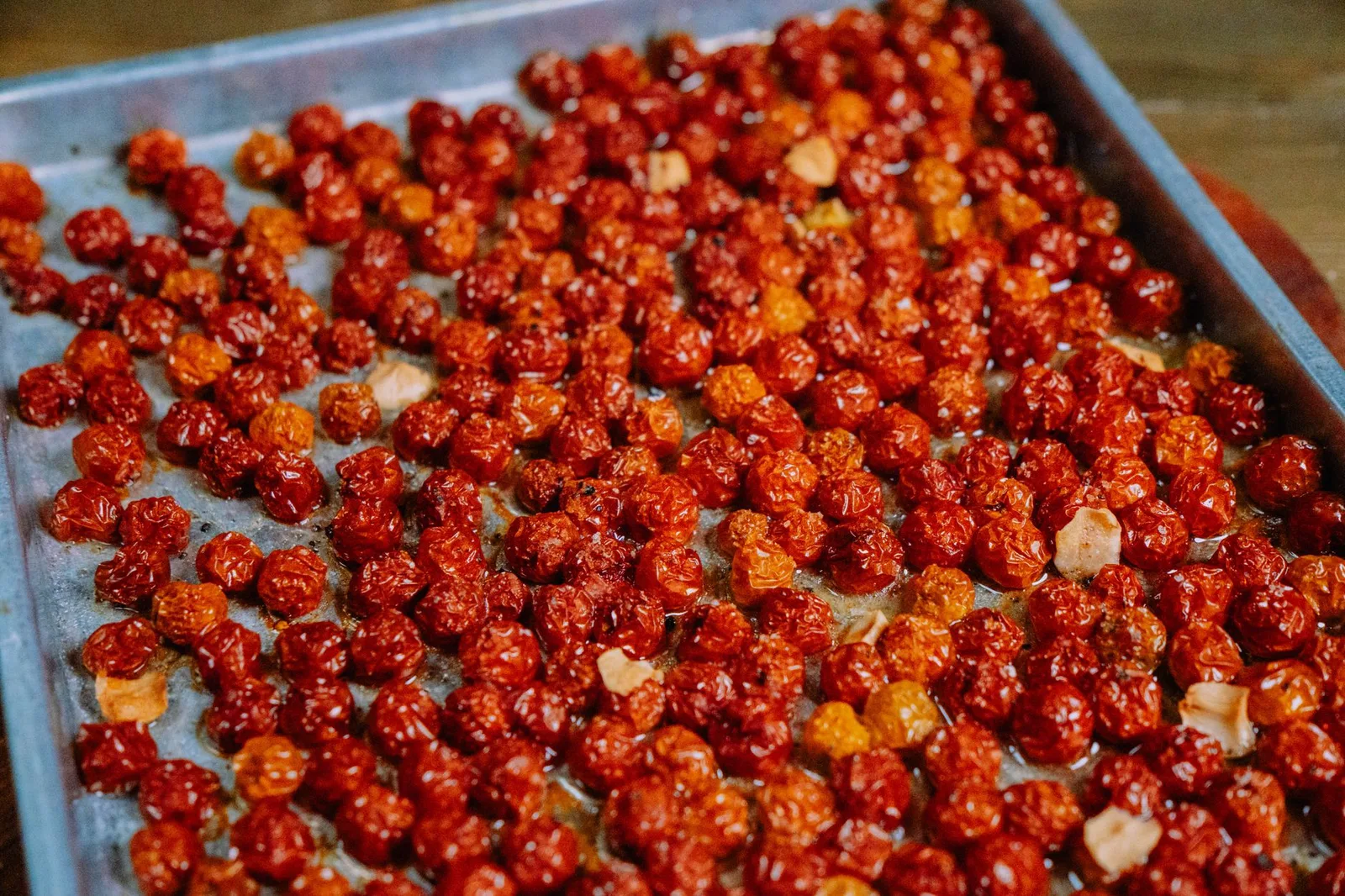
This roasted tomato blender marinara is a hands-off, low-carb sauce made by roasting fresh plum tomatoes, garlic, and onions on a sheet pan before blending them into a rich, velvety sauce. With no added sugar, it relies on the natural caramelization of oven roasting to bring out a deep, rustic sweetness. The entire recipe takes just 45 minutes from prep to table, providing a fresh alternative to store-bought jarred sauces.
Many home cooks rely on store-bought marinara for convenience, but commercial jars are often packed with added sugars, preservatives, and excess sodium. Making your own sauce at home might sound like an all-day project, but this sheet pan method changes everything. By roasting your ingredients first, you concentrate the sugars naturally present in the tomatoes, eliminating any need for refined sweeteners while developing a complex, smoky depth of flavor that simmering on a stove simply cannot replicate in under an hour.
The beauty of this recipe lies in its simplicity and minimal cleanup. There is no tedious peeling of tomato skins, no fine dicing of onions, and no standing over a bubbling pot on the stove wiping up red splatters. You simply rough-chop the vegetables, toss them with olive oil and seasonings, roast them until caramelized, and let your blender do the heavy lifting. This technique produces a thick, luxurious texture that clings perfectly to low-carb noodles, spaghetti squash, or traditional pasta.
Because we are focusing on a low-carb profile, this recipe highlights the natural acidity and sweetness of ripe Roma (plum) tomatoes. Romas are ideal for roasting because they have a lower water content and fewer seeds than larger slicing tomatoes, which prevents your blended sauce from becoming watery or bitter. Combined with slow-roasted garlic cloves and a touch of extra virgin olive oil, this sauce delivers an authentic Italian flavor profile with wholesome, single-ingredient components.
Contents
- Key Takeaways
- Recipe Card
- Why Roasting Beats Simmering
- Ingredient Notes and Substitutions
- The Role of Fats in Low-Carb Marinara
- Comparing Cooking Methods for Homemade Marinara
- Storage, Freezing, and Reheating Instructions
- Creative Ways to Serve Low-Carb Marinara
- Common Mistakes to Avoid
- Frequently Asked Questions
Key Takeaways
- Total Time: 45 minutes (15 minutes prep, 30 minutes roasting)
- Difficulty: Beginner-friendly with minimal knife work
- Storage Life: Up to 5 days in the refrigerator or 6 months in the freezer
- Best Pairing: Zucchini noodles, spaghetti squash, roasted chicken, or low-carb eggplant parmesan
- Pro Tip: Do not peel the tomatoes; the skins contain pectin which helps naturally thicken the sauce during blending
Recipe Card
Ingredients
- 3 lbs ripe Roma (plum) tomatoes, washed and halved lengthwise
- 1 medium yellow onion, peeled and cut into 8 wedges
- 8 whole garlic cloves, peeled
- 3 tablespoons extra virgin olive oil, divided
- 1 teaspoon dried oregano
- 1 teaspoon sea salt
- 1/2 teaspoon freshly cracked black pepper
- 1/2 teaspoon crushed red pepper flakes (optional, for gentle heat)
- 1/2 cup fresh basil leaves, firmly packed
- 1 tablespoon red wine vinegar or fresh lemon juice
Instructions
- Preheat the oven: Position your oven rack to the center position and preheat the oven to 400°F (204°C). Line a large, rimmed baking sheet with parchment paper or aluminum foil for easy cleanup.
- Prepare the vegetables: Arrange the halved Roma tomatoes (cut-side up), yellow onion wedges, and whole peeled garlic cloves across the prepared baking sheet in a single, even layer.
- Season: Drizzle 2 tablespoons of the extra virgin olive oil evenly over the tomatoes, onions, and garlic. Sprinkle the dried oregano, sea salt, black pepper, and optional red pepper flakes over the top. Use your hands or tongs to toss the vegetables gently, ensuring everything is lightly coated in oil and spices, then return the tomatoes to a cut-side-up position to retain their juices.
- Roast: Transfer the baking sheet to the preheated oven. Roast for 30 minutes, or until the tomatoes are collapsed, shriveled, and starting to char slightly around the edges, and the garlic is soft and golden brown.
- Cool slightly: Remove the baking sheet from the oven and let the roasted vegetables cool on the pan for 5 to 10 minutes. This prevents steam buildup in your blender container.
- Blend the sauce: Carefully transfer all the roasted tomatoes, onions, garlic, and any accumulated juices from the baking sheet into a high-speed blender or food processor. Add the fresh basil leaves, the remaining 1 tablespoon of extra virgin olive oil, and the red wine vinegar.
- Process to desired texture: Secure the blender lid tightly (remove the center plastic cap and cover it with a folded kitchen towel to allow steam to safely escape if the mixture is still hot). Blend on medium speed for 20 to 30 seconds for a rustic, chunky marinara, or on high speed for 45 to 60 seconds for a completely smooth, velvety sauce.
- Taste and adjust: Taste the sauce directly from the blender. If the tomatoes are particularly acidic, you can add an extra splash of olive oil to mellow the flavor, or a pinch of salt to enhance the savory notes. Serve immediately or store for later use.
Why Roasting Beats Simmering
Traditional marinara recipes often call for hours of simmering on a stovetop to break down the tomatoes and develop deep flavors. While this classic method has its place, roasting your ingredients for a roasted tomato blender marinara offers distinct scientific advantages. When tomatoes are exposed to the dry, high heat of an oven, their water content evaporates rapidly. This concentrates the natural sugars and glutamates (the compounds responsible for savory umami flavor) inside the fruit.
Furthermore, the high heat triggers the Maillard reaction and caramelization. The natural sugars in the onions and tomatoes brown, creating complex flavor compounds that you cannot achieve through boiling or simmering alone. The garlic cloves, which can easily burn and turn bitter in a hot pan, roast gently inside their protective pockets of olive oil on the sheet pan, turning sweet, buttery, and mild. Blending these caramelized components together results in a sauce with an incredibly rich mouthfeel and built-in sweetness, entirely eliminating the need for added white sugar or corn syrup commonly found in commercial alternatives.
Ingredient Notes and Substitutions
Selecting the Right Tomatoes
Roma or plum tomatoes are the benchmark standard for homemade marinara due to their meaty walls and low moisture content. However, you can adapt this recipe based on seasonal availability. San Marzano tomatoes, if you can find them fresh, are an exceptional choice due to their balanced sweetness and low acidity. If you have an abundance of summer cherry or grape tomatoes, you can use them as a direct 1:1 substitute by weight. Cherry tomatoes have a higher skin-to-flesh ratio, which will yield an incredibly sweet sauce, though you may want to blend it slightly longer to ensure the skins are completely broken down.
Acid Balancers Without Sugar
If your tomatoes are harvested out of season, they may lack natural sweetness and taste overly acidic. Instead of reaching for sugar, which alters the low-carb profile of the dish, use culinary techniques to balance the pH. A splash of red wine vinegar or balsamic vinegar adds a complex fruity acidity that tricks the palate into perceiving sweetness. Alternatively, a tiny pinch (less than 1/8 teaspoon) of baking soda can be stirred into the blended, warm sauce. The baking soda reacts with the citric acid in the tomatoes, neutralizing excess acidity without adding any sweet flavor at all.
The Role of Fats in Low-Carb Marinara
In low-carb and ketogenic cooking, healthy fats are essential for flavor transport and satiety. This roasted tomato blender marinara utilizes high-quality extra virgin olive oil in two distinct phases. First, we use it to coat the vegetables before roasting. This acts as a heat conductor, ensuring even browning and preventing the garlic and onions from drying out or scorching in the oven.
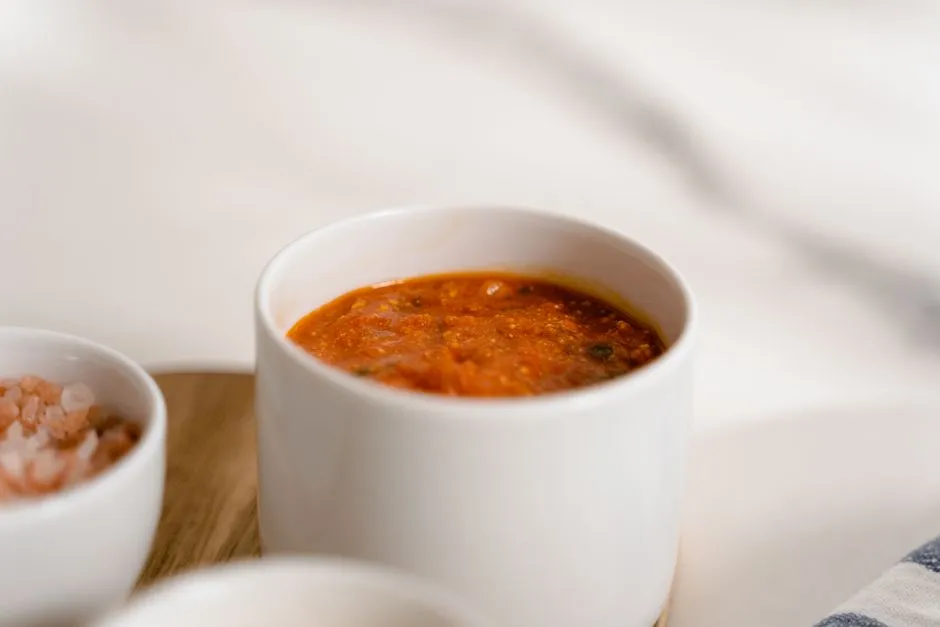
Second, we add a fresh tablespoon of uncooked extra virgin olive oil directly into the blender at the end. Blending raw olive oil into the warm tomato mixture creates a temporary emulsion, giving the sauce a creamy, orange-red hue and a luxurious, velvety texture. This raw oil retains its delicate polyphenols and peppery notes, which are otherwise lost during high-heat cooking. For an even richer variation, you can blend in a tablespoon of unsalted butter or heavy cream to create a quick, low-carb tomato cream sauce.
Save it to Pinterest so you can find it again next time you're planning dinner — and follow along for a new easy recipe a few times a week.
Comparing Cooking Methods for Homemade Marinara
While this recipe focuses on the oven-to-blender method, it is helpful to understand how different cooking techniques impact the final texture, flavor, and preparation time of your sauce. The table below outlines the differences to help you choose the best method for your kitchen schedule.
| Cooking Method | Active Prep Time | Total Cook Time | Texture Result | Flavor Profile |
|---|---|---|---|---|
| Sheet Pan Roasting (This Recipe) | 15 minutes | 30 minutes | Thick, rustic, or velvety smooth | Caramelized, smoky, deeply sweet, and savory |
| Traditional Stovetop Simmer | 25 minutes | 1 to 2 hours | Chunky, liquid-heavy, cohesive | Bright, herbaceous, classic acidic tomato flavor | 20 minutes | 6 to 8 hours | Very soft, integrated, uniform | Mellow, deeply blended, less caramelization |
Storage, Freezing, and Reheating Instructions
Because this roasted tomato blender marinara contains no artificial preservatives, proper storage is key to maintaining its fresh flavor and safety. Allow the sauce to cool completely to room temperature before transferring it to storage containers. Storing warm sauce in a sealed container creates condensation, which dilutes the flavor and introduces moisture that can accelerate spoilage.
- Refrigeration: Transfer the cooled sauce to clean glass mason jars or airtight BPA-free containers. Store in the refrigerator for up to 5 days. A thin layer of olive oil poured over the top of the sauce in the jar can help seal out air and prolong freshness.
- Freezing: This sauce freezes beautifully because it has been fully emulsified in the blender. Pour the cooled sauce into heavy-duty freezer bags, squeeze out excess air, and lay them flat on a baking sheet to freeze. Once frozen solid, you can stack the bags to save space. Alternatively, freeze the sauce in silicone soup molds or ice cube trays for easy portion control. It will keep well in the freezer for up to 6 months. According to the USDA Food Safety and Inspection Service, keeping food frozen continuously at 0°F keeps it safe indefinitely, though quality is best within the first several months.
- Thawing and Reheating: Thaw frozen marinara overnight in the refrigerator, or place the frozen bag in a bowl of warm water for a quicker thaw. To reheat, transfer the sauce to a small saucepan or skillet over medium-low heat. Simmer gently for 5 to 7 minutes, stirring occasionally, until heated through. Avoid boiling the sauce rapidly, as this can break the emulsion and cause the oil to separate from the tomato solids.
Creative Ways to Serve Low-Carb Marinara
While traditional pasta is the most common vehicle for marinara, this low-carb roasted tomato version is incredibly versatile and pairs naturally with a variety of grain-free, high-protein options:
- Zucchini Noodles (Zoodles): Spiralize fresh zucchini and sauté them in a pan with a touch of garlic and olive oil for just 2 minutes until tender-crisp. Toss with warm roasted tomato blender marinara and top with freshly grated Parmigiano-Reggiano.
- Spaghetti Squash Boats: Roast a spaghetti squash cut in half, scrape the flesh with a fork to create strands, and pour the warm marinara directly into the squash halves. Top with mozzarella cheese and broil for 2 minutes until bubbly.
- Low-Carb Meatball Bake: Sear homemade beef, pork, or turkey meatballs in a skillet, pour the blended marinara over them, top with provolone cheese, and bake at 375°F (190°C) until the meat is cooked through and the cheese is melted.
- Chunky Pizza Sauce: Reduce the blending time slightly to keep the sauce thick and spreadable. Use it as a base sauce for low-carb almond flour pizza crusts, cauliflower crusts, or portobello mushroom cap pizzas.
Common Mistakes to Avoid
- Overcrowding the baking sheet: If you pile the tomatoes, onions, and garlic on top of one another, they will steam instead of roast. This prevents caramelization and leaves you with a watery, less flavorful sauce. Use a large baking sheet and space the ingredients out so air can circulate. If necessary, split the ingredients across two baking sheets.
- Burning the garlic: Garlic cloves roast much faster than whole tomatoes. To prevent them from burning and turning bitter, tuck them underneath the onion wedges or tomato halves on the baking sheet, or ensure they are thoroughly coated in olive oil.
- Blending boiling hot liquids: Placing boiling hot ingredients into a tightly sealed blender can cause steam pressure to build up rapidly, blowing the lid off and spraying hot sauce across your kitchen. Always let the roasted vegetables cool for at least 5 to 10 minutes, and leave the vent cap on your blender lid slightly open, covered with a towel, to let steam escape.
- Discarding the pan juices: The liquid that accumulates on the baking sheet during roasting is packed with concentrated tomato juice, caramelized onion sugars, and garlic-infused olive oil. Always scrape every drop of these pan juices into the blender along with the vegetables.
- Using underripe tomatoes: Out-of-season, pale, mealy tomatoes lack both the natural sugars and the rich juices required for a stellar sauce. If you cannot find high-quality fresh Roma tomatoes, it is better to use high-quality canned whole peeled San Marzano tomatoes, drain them well, and roast them on a sheet pan with the fresh onions and garlic.
Frequently Asked Questions
Can I make this recipe with canned tomatoes instead of fresh?
Yes, you can absolutely make this recipe with canned tomatoes if fresh, ripe tomatoes are out of season. Purchase two 28-ounce cans of whole peeled tomatoes (preferably San Marzano). Drain the juices thoroughly (reserve them for later if your sauce needs thinning), split the tomatoes open with your fingers, and arrange them on the baking sheet alongside the onions and garlic. Roast as directed, keeping an eye on them as canned tomatoes may caramelize slightly faster than fresh ones.
Why is my blended marinara sauce turning orange instead of bright red?
When you blend tomatoes at high speeds, you introduce a significant amount of air into the mixture. This aeration refracts light differently, making the sauce appear orange or pinkish-red rather than deep ruby red. Additionally, emulsifying the olive oil into the tomato mixture contributes to this lighter color. If you prefer a darker red color, use a food processor instead of a high-speed blender, or pulse the blender on a low setting just until the ingredients are integrated, rather than running it continuously on high speed.
How do I make this sauce thicker if it turns out too watery?
If your tomatoes had a high water content and your blended sauce is thinner than desired, simply pour the blended marinara into a wide skillet or saucepan. Simmer it gently over medium-low heat for 10 to 15 minutes, stirring frequently. The wide surface area of a skillet allows water to evaporate quickly, thickening the sauce naturally without requiring cornstarch or other low-carb unapproved thickeners.
Do I need to peel the tomatoes before roasting or blending?
No, there is no need to peel the tomatoes for this recipe. When roasted, tomato skins become incredibly soft and pliable. A high-speed blender or food processor will easily pulverize the skins into the sauce, making them completely undetectable. Furthermore, tomato skins contain concentrated amounts of lycopene, fiber, and natural pectin, which helps to naturally thicken and emulsify the finished marinara.
Is this roasted tomato blender marinara keto-friendly?
Yes, this recipe is exceptionally keto-friendly and low-carb. By omitting the added sugars and starches found in most commercial pasta sauces, we keep the net carb count very low. Tomatoes do contain natural sugars, but when portioned across six servings, a single serving of this fresh sauce contains roughly 6 to 7 grams of net carbohydrates, making it an excellent addition to a low-carb lifestyle.
My sauce tastes a bit bitter. How can I fix this?
Bitterness in tomato sauce usually stems from three culprits: underripe tomatoes, burnt garlic, or over-blended tomato seeds (which can release bitter oils when crushed at high speeds). To fix a bitter sauce, stir in a tiny pinch of baking soda to neutralize the acid, add an extra tablespoon of high-quality extra virgin olive oil or butter to coat the palate, or add a splash of heavy cream if your dietary preferences allow. A small splash of red wine vinegar can also help balance out the flavor profile.
Once you experience the ease and superior flavor of this roasted tomato blender marinara, it is hard to go back to store-bought jars. By trading a bubbling stovetop pot for a hot sheet pan and a quick whir of the blender, you unlock a rich, deeply caramelized sauce that fits seamlessly into any low-carb or clean-eating lifestyle. Keep a batch in your freezer, and healthy, flavorful weeknight dinners will always be within arm's reach.

Founder of Simple Skillet
Aycan tests every recipe on Simple Skillet at home before it's published — real ingredients, real timing, no filler.