Creamy High Protein Mac and Cheese (With Cottage Cheese)
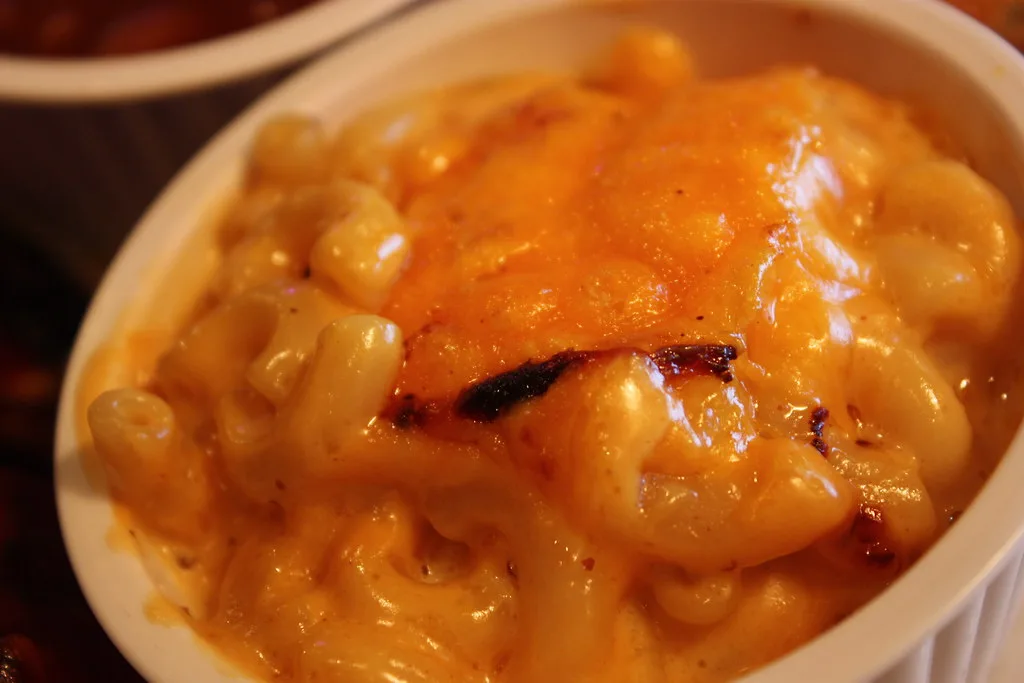
This creamy high protein mac and cheese delivers all the comforting flavor of traditional stovetop macaroni without the heavy flour-and-butter roux. By blending low-fat cottage cheese with sharp cheddar and utilizing protein-enriched pasta, you get a velvety, rich sauce packed with 38 grams of protein per serving. It comes together in just 25 minutes, making it an ideal post-workout meal or quick weeknight family dinner.
Finding a satisfying weeknight meal that balances nutritional goals with true comfort food appeal can be a challenge. Traditional macaroni and cheese relies on a classic French roux—a cooked mixture of equal parts flour and butter—to thicken a heavy milk or cream base. While delicious, this method adds significant saturated fats and simple carbohydrates without contributing much nutritional value. This recipe reengineers that classic profile from the ground up, swapping the flour-heavy base for a high-protein, nutrient-dense alternative.
The secret to this ultra-creamy sauce lies in blended cottage cheese. When processed in a high-speed blender or food processor, the curds in cottage cheese break down completely, transforming into a perfectly smooth, silky base that mimics the texture of a heavy cream sauce. When heated gently with real sharp cheddar and a splash of starchy pasta water, it melts into a cohesive, velvety coating that clings to every noodle. You get the familiar, sharp bite of real cheese without the heavy, sluggish feeling that often follows a standard bowl of pasta.
To maximize the protein density of this dish, we pair this sauce with protein-enriched pasta. Modern protein pastas are typically crafted from a blend of semolina, lentil flour, chickpea flour, and pea protein, offering up to double the protein of standard wheat pasta. Because these alternative pastas can sometimes have a slightly earthy flavor or a firmer texture, the rich, savory cheddar-cottage cheese sauce is the perfect partner to mask any alternative grain notes, resulting in a dish that tastes remarkably close to the blue-box classic of your childhood.
Contents
Key Takeaways
- Total Time: 25 minutes (10 mins prep, 15 mins cook)
- Difficulty: Beginner-friendly (no roux-making skills required)
- Protein Content: 38 grams of protein per generous serving
- Storage Life: Keeps well in an airtight container for up to 4 days
- Top Tip: Do not boil the sauce; cottage cheese will curdle if exposed to high direct heat.
Recipe Card
Ingredients
- 8 oz protein-enriched elbow pasta (such as Barilla Protein+ or chickpea pasta)
- 2 cups low-fat (2%) cottage cheese
- 1.5 cups sharp cheddar cheese, freshly grated (avoid pre-shredded bags)
- 1/4 cup grated Parmesan cheese
- 1/2 cup unsweetened almond milk (or skim milk), warmed
- 1 teaspoon garlic powder
- 1/2 teaspoon onion powder
- 1/2 teaspoon smoked paprika
- 1/2 teaspoon kosher salt
- 1/4 teaspoon freshly cracked black pepper
- 1/2 cup reserved pasta cooking water (crucial for emulsification)
Instructions
- Boil the pasta: Bring a large pot of salted water to a rolling boil. Add the protein pasta and cook according to the package instructions for al dente (usually 7 to 9 minutes). Do not overcook, as protein-based pastas soften quickly.
- Reserve pasta water: Just before draining the pasta, carefully scoop out 1/2 cup of the starchy pasta cooking water and set it aside. Drain the pasta in a colander and return it to the empty pot, off the heat.
- Blend the sauce base: While the pasta cooks, add the cottage cheese, warmed milk, garlic powder, onion powder, smoked paprika, salt, and black pepper to a high-speed blender or food processor. Blend on high for 60 to 90 seconds until completely smooth, glassy, and free of any visible curds.
- Combine pasta and sauce: Pour the blended cottage cheese mixture directly over the warm, drained pasta in the pot. Keep the stove burner turned off or set to the lowest possible setting to prevent curdling.
- Melt the cheeses: Add the grated sharp cheddar and Parmesan cheese to the pot. Stir gently but continuously. The residual heat from the pasta and the pot will begin to melt the cheeses.
- Adjust the consistency: Splash in the reserved warm pasta water, 2 tablespoons at a time, while stirring. The starch in the water will help emulsify the fats from the cheddar with the cottage cheese, creating a glossy, smooth, and cohesive sauce. Stop adding water once your desired creamy consistency is achieved.
- Season and serve: Taste the mac and cheese and adjust the seasoning with an extra pinch of salt or pepper if desired. Serve immediately while hot and creamy.
Why Blended Cottage Cheese Works as a Sauce Base
If you are skeptical about using cottage cheese in a pasta sauce, it helps to understand the food science behind it. Cottage cheese is a fresh cheese curd product with a mild flavor profile and a high concentration of casein protein. In its raw state, the texture is lumpy and watery, which is unappealing to many. However, when subjected to high-shear blending, those curds are mechanically broken down into a uniform emulsion.
Because cottage cheese is naturally low in fat compared to heavy cream or cream cheese, it lacks the lipid structure that typically keeps a cheese sauce stable when heated. To prevent the proteins from clumping together (curdling) when exposed to heat, we introduce two key stabilizers: freshly grated cheddar cheese (which provides melting fats) and starchy pasta water. The starch molecules in the pasta water act as physical barriers that prevent the proteins in the cottage cheese from bonding tightly and squeezing out water, ensuring your high protein mac and cheese remains perfectly creamy.
Ingredient Notes and Sourcing
Choosing the Right Pasta
Not all high-protein pastas perform the same way in a cheese sauce. For the absolute best texture, look for yellow pea or lentil-blend pastas (like Barilla Protein+), which contain a mix of semolina and legume flours. These hold their structural integrity well and have a neutral flavor that closely mimics traditional wheat pasta. If you require a gluten-free option, 100% chickpea pasta (such as Banza) is an excellent source of protein and fiber, but be sure to cook it 1 minute less than the package directions as it can become mushy quickly.
The Case for Freshly Grated Cheddar
It is highly recommended to grate your own cheddar cheese from a block rather than buying pre-shredded cheese. Pre-shredded bags are coated with anti-caking agents like potato starch or cellulose. These powders prevent the cheese from sticking together in the bag, but they also prevent the cheese from melting smoothly into a sauce, often resulting in a grainy, gritty texture. A block of sharp or extra-sharp cheddar will melt effortlessly and provide a much deeper, more authentic cheese flavor.
Save it to Pinterest so you can find it again next time you're planning dinner — and follow along for a new easy recipe a few times a week.
Choosing Your Protein Mac and Cheese Base
Depending on your dietary needs, you can customize the base of this recipe. Use this comparison table to decide which pasta and cheese combination works best for your nutrition goals and taste preferences:
| Pasta Type | Protein per 2 oz | Texture Result | Best For |
|---|---|---|---|
| Semolina/Legume Blend | Excellent, firm, classic bite | Pickiest eaters, kids, traditional texture | |
| 100% Chickpea Pasta | Dense, slightly nutty, can be fragile | Gluten-free diets, maximum fiber | |
| 100% Red Lentil Pasta | Softer, mild earthy flavor | Maximum iron, quick cooking | |
| Standard Durum Wheat | Perfect, classic tender bite | Budget-friendly, prioritizing sauce protein |
Flavor Variations and Upgrades
While this high protein mac and cheese is highly satisfying on its own, it also serves as a fantastic canvas for various flavor profiles. Here are a few simple ways to elevate the dish:
- Spicy Jalapeño Popper: Stir in 2 tablespoons of diced pickled jalapeños and a pinch of cayenne pepper to the blender. Top the finished mac with toasted panko breadcrumbs and crispy crumbled bacon.
- Buffalo Chicken Mac: Fold in 1 cup of shredded rotisserie chicken breast tossed in 3 tablespoons of buffalo hot sauce just before serving. Garnish with chopped green onions.
- Garlic Herb and Spinach: Sauté 2 cups of fresh baby spinach and 2 minced garlic cloves in a skillet with a teaspoon of olive oil until wilted, then fold them into the finished cheesy pasta.
- Smoky Gouda Blend: Swap out half of the sharp cheddar cheese for grated smoked gouda to give the sauce a rich, wood-fired depth of flavor.
Storage and Reheating Instructions
Because this recipe does not use a traditional flour-and-butter roux, reheating requires a slightly gentler touch to prevent the cottage cheese from separating or drying out. Follow these steps for the best results:
Storage: Allow any leftover mac and cheese to cool to room temperature. Transfer it to an airtight glass container and store it in the refrigerator for up to 4 days.
Reheating on the Stovetop (Recommended): Place your desired portion in a small saucepan over low heat. Add 1 to 2 tablespoons of milk or water to help loosen the sauce. Stir constantly and gently until heated through (about 5 minutes). Do not let the mixture boil.
Reheating in the Microwave: Place a portion in a microwave-safe bowl and splash a tablespoon of milk over the top. Cover the bowl with a damp paper towel to trap steam. Microwave on 50% power in 30-second intervals, stirring thoroughly between each interval, until hot. Heating at a lower power setting prevents the cheese proteins from seizing up and turning oily.
Common Mistakes to Avoid
- Using Fat-Free Cottage Cheese: Avoid fat-free (0%) cottage cheese for this recipe. It lacks the necessary lipids to create a smooth emulsion, often resulting in a watery, grainy sauce that easily splits when warmed. Stick to 2% or 4% cottage cheese.
- Overheating the Sauce: Never boil the cottage cheese sauce. High heat causes the proteins in the cottage cheese to clump tightly together, separating the liquid from the solids. Always combine the sauce with the pasta off the direct heat or on the lowest possible setting.
- Discarding All the Pasta Water: Do not forget to reserve your pasta water before draining. The starchy water is the magic ingredient that binds the cottage cheese and melted cheddar together into a cohesive, velvety sauce. Without it, the sauce may look clumpy or dry.
- Overcooking the Protein Pasta: Protein-enriched and legume-based pastas have a narrower window of perfect doneness than standard wheat pasta. Check the pasta 2 minutes before the package directions suggest. It should have a slight bite (al dente) as it will continue to cook slightly when tossed in the warm sauce.
Frequently Asked Questions
Can I freeze this high protein mac and cheese?
It is not recommended to freeze this dish. Because cottage cheese has a high water content and lacks a flour-based binder, the sauce will break, curdle, and become extremely watery upon thawing and reheating. It is best enjoyed fresh or kept in the refrigerator for up to 4 days.
Can I bake this recipe in the oven?
Yes, you can easily turn this into a baked casserole. Prepare the recipe as directed, but undercook the pasta by 2 minutes. Transfer the cheesy mixture to a lightly greased baking dish, top with an extra handful of cheddar and some whole-wheat breadcrumbs, and bake at 375°F (190°C) for 10 to 12 minutes just until the top is bubbly and golden. Avoid baking for too long, or the cottage cheese base may dry out.
What does cottage cheese mac and cheese taste like?
When blended thoroughly, you cannot taste the cottage cheese at all. It does not taste sour or tangy like Greek yogurt; instead, it provides a neutral, creamy, and rich background that allows the sharp cheddar and savory spices to stand out. It tastes remarkably similar to traditional stovetop mac and cheese.
Can I make this recipe dairy-free or vegan?
This specific recipe relies heavily on the protein structure of dairy-based cottage cheese and the melting properties of real cheddar, so it does not translate well to vegan substitutions. For a dairy-free high-protein alternative, a sauce based on blended silken tofu, nutritional yeast, and soaked cashews would yield a better result.
Why is my sauce grainy?
A grainy sauce is usually caused by two culprits: using pre-shredded cheese coated in anti-caking starches, or overheating the blended cottage cheese. To ensure a silky smooth result, always grate your cheese from a block and stir the sauce into the warm pasta off the heat, relying on residual heat to melt the cheese.
How can I add even more protein to this meal?
While this recipe boasts 38g of protein per serving on its own, you can easily boost it further by folding in cooked diced chicken breast, lean ground turkey, canned tuna, or sliced chicken sausage. For a plant-based boost, stir in steamed green peas or edamame.
Ultimately, this high protein mac and cheese proves that you do not have to sacrifice comfort or flavor to meet your nutritional goals. By making smart ingredient swaps like utilizing blended cottage cheese and nutrient-dense pasta, you can enjoy a classic, creamy bowl of macaroni and cheese any night of the week. It is fast, filling, and bound to become a regular addition to your weeknight dinner rotation.

Founder of Simple Skillet
Aycan tests every recipe on Simple Skillet at home before it's published — real ingredients, real timing, no filler.