Easy Baked Chicken Thighs (Crispy Skin & Juicy Meat)
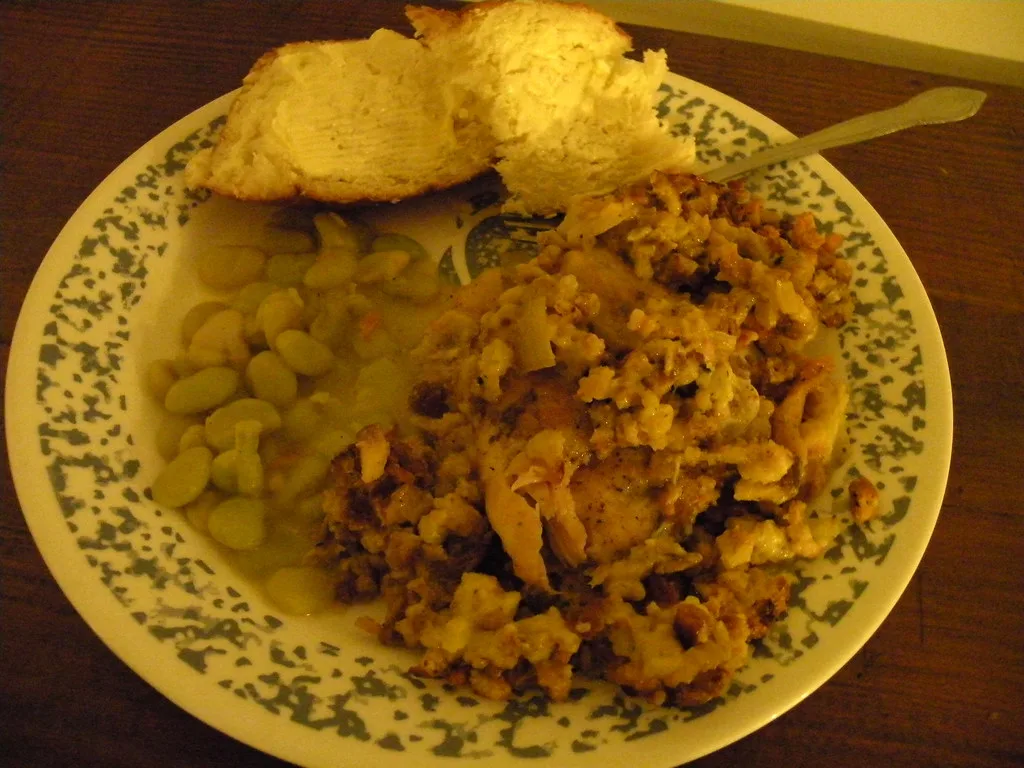
This recipe delivers ultra-juicy, bone-in, skin-on easy baked chicken thighs with an incredibly crispy skin using a simple, pantry-friendly dry rub. By baking at a high temperature, we render the fat quickly to ensure the meat stays tender while the skin shatters when you bite into it. The entire process takes just 45 minutes from prep to plate.
When it comes to weeknight dinners, bone-in, skin-on chicken thighs are an absolute lifesaver. Unlike chicken breasts, which can easily dry out and become chalky if overcooked by even a minute, chicken thighs are incredibly forgiving. The dark meat contains more fat and connective tissue, which melts during cooking to keep the meat moist, rich, and deeply flavorful. This recipe focuses on a high-heat roasting method that achieves two goals simultaneously: rendering the sub-cutaneous fat so the skin turns chip-like crispy, and keeping the interior meat exceptionally tender.
The secret to mastering this dish lies not in complex marinades or expensive equipment, but in proper surface prep and temperature management. Many home cooks struggle with soggy chicken skin when baking. We solve this issue by thoroughly drying the meat, using a light coating of oil as a heat conductor, and applying a balanced dry rub that caramelizes beautifully without burning. This is a reliable, back-pocket technique you can customize with any spice blend you prefer once you master the basic method.
Whether you are a beginner cook looking for a foolproof main dish or an experienced home chef needing a fast, reliable weeknight protein, these chicken thighs fit the bill. They pair beautifully with almost any side dish, make fantastic leftovers for meal prep, and require minimal cleanup if you line your baking sheet. Let's dive into the science of crispy skin and get these in the oven.
Contents
Key Takeaways
- Total Time: 45 minutes (10 minutes prep, 35 minutes baking)
- Difficulty Level: Extremely Easy (perfect for beginners)
- Key Technique: High-heat roasting (425°F / 218°C) to render fat and crisp the skin
- Internal Temperature: Cook to 175°F (79°C) for the most tender dark meat texture
- Storage Life: Keeps exceptionally well in the refrigerator for up to 4 days
Recipe Card
Ingredients
- 4 bone-in, skin-on chicken thighs (about 1.5 to 2 pounds total)
- 1 tablespoon olive oil (or avocado oil)
- 1 teaspoon garlic powder
- 1 teaspoon onion powder
- 1 teaspoon sweet paprika (or smoked paprika for a smoky flavor)
- 1/2 teaspoon dried oregano (or dried thyme)
- 1 teaspoon kosher salt
- 1/2 teaspoon freshly cracked black pepper
- 1/4 teaspoon cayenne pepper (optional, for a subtle kick)
Instructions
- Preheat the oven: Position an oven rack in the center of your oven and preheat to 425°F (218°C). Line a rimmed baking sheet with aluminum foil or parchment paper for easy cleanup, then place a wire rack on top of the sheet. (If you do not have a wire rack, you can bake directly on the lined sheet or in a cast-iron skillet).
- Dry the chicken: Use paper towels to pat the chicken thighs thoroughly dry on all sides, especially the skin. Removing surface moisture is the most critical step for achieving maximum crispiness.
- Trim excess skin: Use kitchen shears to trim away any excessively large flaps of fat or hanging skin from the underside of the thighs, but leave the top skin fully intact to protect the meat.
- Apply the oil: Drizzle the olive oil over the chicken thighs. Use your hands to rub the oil evenly over the skin and the underside of the meat. This helps the spices stick and conducts the oven's heat to crisp the skin.
- Mix the dry rub: In a small bowl, combine the garlic powder, onion powder, sweet paprika, dried oregano, kosher salt, black pepper, and cayenne pepper. Stir until completely blended.
- Season the chicken: Sprinkle the spice rub generously over both sides of the chicken thighs. Ensure the skin side is evenly coated. Rub the spices gently into the skin and crevices.
- Arrange on the rack: Place the seasoned chicken thighs skin-side up on the wire rack. Leave at least an inch of space between each thigh to allow hot air to circulate freely around them.
- Bake to perfection: Place the baking sheet in the preheated oven. Bake for 30 to 35 minutes. The skin should be golden-brown and bubbling, and the internal temperature should register at least 165°F (74°C) on an instant-read digital thermometer, though 175°F (79°C) is ideal for the best texture.
- Rest and serve: Remove the chicken from the oven and let it rest on the rack for 5 minutes before serving. This allows the juices to redistribute throughout the meat rather than running out onto the plate.
Why High-Heat Roasting Works for Chicken Thighs
Many traditional chicken recipes call for baking at 350°F (177°C) or 375°F (190°C). While this temperature works well for lean chicken breasts to prevent them from drying out, it is suboptimal for bone-in, skin-on chicken thighs. Thighs contain a significant layer of fat directly beneath the skin. If cooked at a lower temperature, this fat simply warms up and remains trapped, resulting in rubbery, greasy skin.
Baking at 425°F (218°C) creates an environment where that sub-cutaneous fat renders (melts) quickly. As the fat liquefies and escapes, it essentially shallow-fries the skin from the inside out, creating a thin, shatteringly crisp exterior. Furthermore, the dark meat of the thigh is rich in collagen. According to food safety guidelines from the USDA Food Safety and Inspection Service, poultry is safe to consume at 165°F (74°C). However, collagen in dark meat does not fully break down into gelatin until it reaches higher temperatures. Cooking your thighs to an internal temperature of 175°F to 185°F (79°C to 85°C) yields a far more tender, pull-apart texture without drying the meat out.
The Essential Timing Chart for Baked Chicken Thighs
Cook times can vary based on whether your chicken thighs are bone-in or boneless, their physical size, and whether your oven runs hot. Use this handy reference chart to guide your cooking process. Always rely on a digital meat thermometer inserted into the thickest part of the meat (without touching the bone) rather than relying solely on the clock.
| Thigh Type | Oven Temp | Average Weight (per piece) | Bake Time | Target Internal Temp | Resulting Texture |
|---|---|---|---|---|---|
| Bone-In, Skin-On | 425°F (218°C) | 6 - 8 oz | 30 - 35 mins | 175°F - 185°F | Crispy skin, ultra-tender, juicy meat |
| Bone-In, Skin-On | 400°F (204°C) | 6 - 8 oz | 40 - 45 mins | 175°F - 185°F | Slightly softer skin, very juicy |
| Boneless, Skinless | 425°F (218°C) | 4 - 5 oz | 20 - 25 mins | 165°F - 170°F | Quick cooking, caramelized exterior |
| Boneless, Skinless | 400°F (204°C) | 4 - 5 oz | 25 - 30 mins | 165°F - 170°F | Soft, tender, great for shredding |
Save it to Pinterest so you can find it again next time you're planning dinner — and follow along for a new easy recipe a few times a week.
Ingredient Notes and Substitutions
The Chicken Thighs
We highly recommend buying bone-in, skin-on chicken thighs for this specific recipe. The bone acts as an insulator, keeping the center of the meat from cooking too quickly and drying out, while the skin provides a built-in self-basting mechanism. If you must use boneless, skinless thighs, reduce the cooking time to 20 to 25 minutes, as they cook much faster without the bone and skin barrier. Keep in mind you will lose the crispy texture element without the skin.
The Cooking Oil
Olive oil is our default choice for its flavor, but any high-smoke-point oil works beautifully here. Avocado oil, canola oil, grapeseed oil, or even melted ghee (clarified butter) are excellent alternatives. Avoid regular butter, as the milk solids will burn at 425°F, leaving bitter black specks on your chicken skin.
The Spice Rub Variations
The beauty of this recipe is its adaptability. The base rub of garlic, onion, paprika, and oregano is a crowd-pleaser, but you can easily swap it out to match your meal's theme:
- Lemon Pepper: Swap the paprika and oregano for 1 tablespoon of lemon zest and 1 teaspoon of coarse black pepper.
- Smoky BBQ: Use smoked paprika, add a pinch of brown sugar (watch closely so it does not burn), and a dash of ground mustard.
- Italian Herb: Swap the oregano for a pre-made Italian seasoning blend containing rosemary, basil, and thyme.
- Chipotle Lime: Use chipotle powder instead of paprika, and rub the chicken with lime juice and zest before baking.
Common Mistakes to Avoid
- Not drying the skin enough: If the chicken skin is wet when it goes into the oven, the heat must first evaporate that water before it can start crisping the skin. This steam-cooks the skin, making it rubbery. Always pat the chicken dry with paper towels.
- Crowding the pan: If the thighs are touching or packed tightly together, steam gets trapped between them. This prevents the hot dry air of the oven from circulating, leading to soggy sides. Leave at least one inch of space between each piece.
- Baking at too low a temperature: Baking at 350°F will cook the chicken through, but the skin will remain soft and fatty. You need the high heat of 425°F to properly render the fat and crisp the skin.
- Touching the bone with your thermometer: When checking the internal temperature, make sure the probe of your digital thermometer is in the thickest part of the meat and not resting against the bone. Bones conduct heat differently and will give you an artificially high reading.
- Skipping the resting period: Cutting into the chicken immediately after pulling it from the oven causes all the pressurized juices to run out onto the cutting board, leaving the meat dry. Give it 5 minutes to let the muscle fibers relax and reabsorb those juices.
Serving Suggestions for a Complete Meal
Because these easy baked chicken thighs are highly versatile, they pair beautifully with a wide array of side dishes. Here are a few of our favorite ways to build a balanced plate:
Roasted Vegetables
Since your oven is already set to 425°F, you can easily roast vegetables on a separate baking sheet at the same time. Broccoli florets, Brussels sprouts, asparagus, or baby carrots tossed in olive oil, salt, and pepper will roast to caramelized perfection in the 25 to 30 minutes it takes to bake the chicken.
Starchy Sides
To soak up the delicious pan juices, serve these thighs over a bed of garlic mashed potatoes, fluffy jasmine rice, or buttered egg noodles. For a lower-carb option, cauliflower mash or roasted sweet potato wedges make fantastic companions.
Fresh Green Salads
A bright, acidic side salad helps cut through the rich, savory flavor of the dark meat. A simple arugula salad with a lemon-vinaigrette dressing, or a classic Caesar salad with crisp romaine and parmesan cheese, provides an excellent textural and flavor contrast.
Make-Ahead, Storage, and Reheating Instructions
This recipe is a meal-prepper's dream. Chicken thighs retain their moisture much better than chicken breasts when stored and reheated, making them taste just as good on day three as they did on day one.
How to Store
Allow the cooked chicken thighs to cool completely to room temperature (do not leave them out for more than two hours). Place them in an airtight container and store them in the refrigerator for up to 4 days. If you are prepping meals, you can portion them directly into containers with your chosen sides.
How to Freeze
You can freeze cooked chicken thighs for up to 3 months. Wrap each cooled thigh tightly in plastic wrap to prevent freezer burn, then place them all in a heavy-duty freezer bag. Thaw overnight in the refrigerator before reheating.
How to Reheat (and Keep the Skin Crispy!)
Reheating in the microwave is fast, but it will make the skin soft and soggy. To revive that beautiful crispy skin, use one of these methods:
- The Oven Method (Best): Preheat your oven to 375°F (190°C). Place the chicken thighs on a baking sheet and bake for 10 to 12 minutes until heated through and the skin begins to sizzle again.
- The Air Fryer Method (Fastest & Cripiest): Place the cold chicken thighs in the air fryer basket. Heat at 360°F (182°C) for 4 to 6 minutes. The skin will crisp up beautifully without drying out the meat.
- The Skillet Method: Place the thighs skin-side down in a dry skillet over medium-low heat. Cover with a lid and heat for 5 minutes, then remove the lid, flip, and heat for another 2 to 3 minutes.
Frequently Asked Questions
Can I make this recipe with boneless, skinless chicken thighs?
Yes, you can absolutely use boneless, skinless chicken thighs. However, because they lack the bone and skin, they cook significantly faster. Reduce the oven temperature to 400°F (204°C) and bake them for 20 to 25 minutes, or until the internal temperature reaches 165°F (74°C). Since there is no skin, you will not get that crispy crunch, but they will still be incredibly juicy and flavorful.
Do I need to wash the chicken before seasoning it?
No, you should not wash or rinse raw chicken. According to food safety experts, washing raw poultry under running water splashes bacteria onto your kitchen sink, countertops, utensils, and nearby food. Instead, simply pat the chicken dry with clean paper towels to remove surface moisture, and immediately discard the paper towels.
Why is my chicken skin still rubbery?
Rubbery skin is almost always caused by two things: excess moisture or insufficient heat. If you do not pat the skin completely dry before applying the oil and spices, the moisture will steam the skin instead of crisping it. Additionally, if your oven is not hot enough (below 400°F), the fat underneath the skin will not render out properly. Make sure your oven is fully preheated to 425°F before putting the chicken in.
Can I use baking powder to make the skin crispier?
Yes! Adding a tiny amount of aluminum-free baking powder to your dry rub is a classic chef trick. Use about 1/2 teaspoon of baking powder mixed into the spice blend. The baking powder raises the pH level of the skin, which breaks down the proteins and allows it to brown and crisp up even faster, creating tiny, crunchy bubbles on the surface.
Can I bake vegetables in the same pan with the chicken?
While you can technically bake them together, we recommend placing vegetables on a separate baking sheet. As chicken thighs bake, they release a significant amount of fat and juices. If your vegetables are in the same pan, they will boil and steam in those juices rather than roasting and caramelizing, resulting in soggy vegetables and preventing the bottom of your chicken from getting any air circulation.
How do I know the chicken is done without a thermometer?
While a digital thermometer is the safest and most accurate tool, you can check for doneness by piercing the thickest part of the thigh with a knife or fork. The juices that run out should be completely clear, not pink or red. Additionally, the meat should feel firm to the touch, and the flesh should easily pull away from the bone with gentle pressure.
Mastering easy baked chicken thighs is one of the most rewarding culinary skills you can develop. With minimal prep, basic pantry staples, and a hot oven, you can consistently produce a protein-packed main dish that rivals any restaurant version. Keep this recipe in your weekly rotation, experiment with different spice combinations, and enjoy the effortless deliciousness of perfectly cooked poultry.

Founder of Simple Skillet
Aycan tests every recipe on Simple Skillet at home before it's published — real ingredients, real timing, no filler.